Blog

  • What Are Anabolic Recipes? A Cook’s Honest Definition

    What Are Anabolic Recipes? A Cook’s Honest Definition

    BlogAnabolic Kitchen11 min read

    What Are Anabolic Recipes? A Cook’s Honest Definition

    The word’s real history, the misconception it drags around, and the simple swap-math that makes an anabolic recipe work.

    What Are Anabolic Recipes? A Cook's Honest Definition

    A man at my gym asked me last week what anabolic recipes actually are, and whether they’re only for guys who run gear. Fair question. It’s a word that gets thrown around constantly and explained almost never.

    So here is the honest answer to what are anabolic recipes: they’re ordinary food — french toast, mac and cheese, ice cream — rebuilt to carry a lot more protein and a lot fewer calories, so the plate feeds your muscle instead of fighting your waistline. That’s the entire idea. No secret, no needles required.

    I’m Magnus. I cook these every week for a house with two hungry kids and a husband who does not care one bit about my macros. I’ve been on TRT since I was 35, and I run heavier cycles now and then. I still eat the same french toast as the natty guy next to me at the rack. Let me show you why the word means what it means, where it came from, and the simple math that makes an anabolic recipe work.

    What actually makes a recipe “anabolic”

    Strip the marketing off and “anabolic” is a physiology word. Your body is in an anabolic state when it’s building — laying down new tissue, including muscle. The engine for that is muscle protein synthesis: the process that stitches amino acids from your food into muscle fiber. Training turns the switch on. Protein is the raw material that lets it stay on and get something done.[1]

    An anabolic recipe is food built to support that job without the calorie bill that usually comes with comfort food. Two things make a recipe earn the name:

    • Protein density. A lot of protein per plate, ideally 30 to 40 grams — enough to give a real muscle-building response at a meal, which the research puts in that same ballpark for most lifters.[2]
    • Calorie honesty. The same craving satisfied for far fewer calories, usually by cutting the fat and refined sugar that add calories without adding much protein.

    That second point is quietly the whole game. High protein low calorie recipes keep you full on less. Protein is the most filling macronutrient by a wide margin — it drives up fullness and even burns a few extra calories in digestion, so a high-protein plate holds your appetite steady longer than the same calories from bread and butter would.[3] You eat a real breakfast, you’re satisfied, and you didn’t spend your day’s calories to get there.

    Kitchen math

    Here’s the number I actually cook by: protein per 100 calories. Classic french toast gives you roughly 3 grams of protein per 100 calories. The anabolic version gives you closer to 14. Same plate, same flavor — nearly five times the muscle-feeding return on every calorie you spend.

    Where the word comes from — a short, honest history

    “Anabolic recipes” feels like a 2020s invention. The thinking behind it is a lot older. It helps to know the lineage, because it tells you what the word has always been reaching for.

    The Gironda years

    Go back to the muscle beaches of the 1960s and 70s and you land on Vince Gironda — the “Iron Guru,” the trainer half of Hollywood came to. Gironda was obsessed with what food did to a physique. He preached whole eggs and steak, hammered on refined sugar, and treated the plate as part of the program rather than an afterthought. Nobody called it “anabolic cooking” yet. The instinct was already there: eat for the body you’re building, not just for the taste.

    DiPasquale and the Anabolic Diet

    The word itself got its first real book in 1995, when Dr. Mauro DiPasquale wrote The Anabolic Diet. That was a specific protocol, and it’s worth being precise about what it was, since people still confuse anabolic diet recipes with it. DiPasquale’s plan was cyclical and low-carb: eat high-fat, high-protein, near-zero-carb through the week to push your body toward burning fat, then carb up hard on the weekend to refill the muscles. Think of it as a bodybuilder’s early take on cyclical keto. That is the actual “anabolic diet.” It has almost nothing to do with what most people mean by anabolic recipes today.

    Greg Doucette and the YouTube era

    The meaning most of us use now got built on YouTube, and a lot of the credit belongs to Greg Doucette. His “anabolic French toast” and “anabolic ice cream” cook-alongs took the word somewhere new: high-volume, high-protein, genuinely low-calorie versions of the comfort food people were told they had to give up to get lean. He put real numbers on screen and cooked ugly, honest, huge portions. I don’t agree with every take the man has ever posted, and I don’t need to. He moved the culture, plainly and warmly. Half the people typing “anabolic recipes” into a search bar are there because of him. Credit where it’s owed.

    “Anabolic” doesn’t mean you’re on anabolics

    Here’s the misconception I hear most, and I want to put it down gently but for good. The “anabolic” in anabolic recipes is not the “anabolic” in anabolic steroids. Same root word, completely different thing on the plate. One is a class of compounds. The other is a description of food that supports building muscle. You do not need to run testosterone, tren, or a single oral to eat this way, and eating this way does not turn you into someone on gear.

    I can say this with a straight face because I sit on both sides of it. I’ve been enhanced for years, and my breakfast is the same protein-dense french toast a drug-free 22-year-old would eat. The gear changes some things — appetite, water, what my bloodwork looks like. It does not change what good food is. Muscle protein synthesis runs on amino acids for the natty and the enhanced lifter alike. The compounds might turn the dial up on how much you can build; the food is still what you build from.

    Magnus’s rule

    Nobody earns muscle by the substance in their body and skips the food. Natty or on cycle, the plate does the same job. Anyone selling “anabolic” as a steroid thing is selling you a shortcut that was never real.

    If you are running anything, the food matters more, not less — steady protein and honest calories are how you keep your bloodwork sane. That’s a conversation for you and a doctor with your labs in front of them, not for a recipe blog. I’ll stay in my kitchen. But the point stands: same good food, both sides of the fence.

    I found this whole style of cooking by accident, during the Covid lockdowns. Restaurants shut, I was home with the family all day, and I got tired of choosing between food I actually wanted and food that fit the day’s numbers. So I started tearing recipes apart in my own kitchen — swapping the eggs for whites, the sugar for nothing, the butter for a pan spray — and rebuilding them until they hit the same craving for half the calories. Backstage in Sweden, dieting for the B&K Classic, my “treat” was a rice cake and a look at the clock. Standing in my kitchen in Chicago fifteen years later, feeding my kids protein french toast that tasted like the real thing, I understood what I’d been missing the whole time. It was never about eating less. It was about eating smarter, and still eating something you love.

    The swap math: anabolic french toast, ingredient by ingredient

    Talk is cheap, so let me show you the actual numbers on the recipe that started the whole trend. This is the honest kitchen math behind anabolic French toast — a classic plate against the rebuilt one, one ingredient at a time. Numbers are rounded and will shift a little by brand, but this is a fair, real comparison.

    Anabolic french toast swap math comparing classic and high protein low calorie versions ingredient by ingredient
    Anabolic french toast swap math comparing classic and high protein low calorie versions ingredient by ingredient
    IngredientClassic (cal / protein)Anabolic swap (cal / protein)
    Bread (2 slices)White, 150 / 6gHigh-protein bread, 90 / 10g
    Egg base1 whole egg, 72 / 6g1/2 cup egg whites, 63 / 13g
    LiquidWhole milk, 37 / 2gUnsweetened almond milk, 10 / 0.5g
    Protein boost1/2 scoop vanilla whey, 60 / 12g
    Fat in pan1 tbsp butter, 102 / 0gNon-stick spray, 5 / 0g
    Topping2 tbsp maple syrup, 104 / 0gSugar-free syrup, 20 / 0g
    Plate total~465 cal / 14g~250 cal / 35g

    Read that bottom row again. Same breakfast — bread soaked in custard, griddled, syrup on top — for a bit more than half the calories and two and a half times the protein. You didn’t shrink the portion. You didn’t eat sadness. You rebuilt the plate so it feeds the muscle and leaves you room in the day. That is an anabolic recipe in one picture. If you want the full method, I walk it through step by step in my anabolic French toast recipe.

    How to cook almost anything anabolic

    Once you see the french toast, you see the pattern everywhere. Anabolic cooking isn’t a fixed list of recipes — it’s four swaps you run on food you already love. Learn these and you can rebuild most of your comfort menu yourself.

    • Add a protein anchor. Egg whites, whey or casein, non-fat Greek yogurt, cottage cheese, lean ground meat. Every anabolic plate is built around one. This is the swap that does the muscle-feeding work.
    • Cut the calorie-dense fat you won’t miss. Butter in the pan becomes spray. Full-fat dairy becomes low- or non-fat. You keep fat where it earns flavor and drop it where it’s just calories riding along.
    • Swap the sugar, keep the sweet. Sugar-free syrup, a zero-calorie sweetener, sugar-free pudding mix. You keep the dessert feeling and lose a couple hundred silent calories.
    • Chase volume. More egg whites, more vegetables, more air whipped into it, a bigger bowl. A plate that looks and eats big tells your appetite it was fed — a real advantage when you’re keeping calories honest.[4]

    That’s it. That’s the trade every recipe in my recipe kitchen is running under the hood. My protein ice cream is Greek yogurt and whey doing the anchor work; my anabolic mac and cheese hides cottage cheese and a lean protein in the sauce. Different food, same four moves.

    From the stage

    When I was dieting for shows in Sweden, “anabolic cooking” would have saved my sanity. I white-knuckled bland chicken and rice because I thought the only way to be lean was to suffer. It wasn’t. I just didn’t know the swaps yet. You do now — start with one recipe, not the whole kitchen.

    Are anabolic recipes just for cutting?

    They shine on a cut, no argument. High protein low calorie recipes are exactly what a fat-loss phase needs: they hold muscle, they hold your appetite, and they let you eat food that feels like food while the scale moves.[5] Most guys find them because they’re trying to lean out without hating their life. A deficit is hard enough. Eating breakfast that tastes like a treat and still fits the day takes some of the fight out of it, and that adherence is most of the battle — the research keeps landing on the same point, that the plan you can actually stick to is the one that works.[5]

    But they earn a spot in any phase. On a bulk, an anabolic recipe is protein you can fit around your growth calories without blowing the whole budget on one meal. On maintenance, it’s how you eat mac and cheese on a Tuesday and stay exactly where you want to be. I cook these year-round, on cycle and off. They’re not a diet. They’re just a smarter way to build the plate — the same idea I run through my whole meal prep system.

    So the next time someone asks you what anabolic recipes are, you’ve got the real answer: everyday food, rebuilt for protein and honesty, made to feed muscle instead of fighting you. Come cook a plate with me. Grab my free 7-day eating plan and let me feed you well for a week — no shame, no gimmicks, just food that does its job. I’ve got you.

    Questions men actually ask

    What makes a recipe “anabolic”?

    Two things: high protein density (usually 30 to 40 grams per serving, enough to support muscle protein synthesis at a meal) and calorie honesty — the same craving satisfied for far fewer calories than the original. An anabolic recipe feeds muscle without the calorie bill that normally comes with comfort food.

    Is the anabolic diet the same as anabolic recipes?

    No. “The Anabolic Diet” is a specific cyclical low-carb protocol Dr. Mauro DiPasquale wrote about in 1995 — high-fat, high-protein weekdays, carb-ups on weekends. “Anabolic recipes” is the modern, separate idea popularized on YouTube: high-protein, low-calorie versions of everyday comfort food. Same word, different thing. You can cook anabolic recipes on any diet you like.

    Are anabolic recipes only for people on steroids?

    Not at all. The “anabolic” here means “supports building muscle,” not “contains steroids.” Muscle protein synthesis runs on protein and training for natural and enhanced lifters alike. I run cycles myself and eat the exact same protein french toast a drug-free lifter would. The food is identical either way.

    Why is it called anabolic French toast?

    Because it’s french toast rebuilt to support muscle: high-protein bread and egg whites (plus a scoop of whey in the custard) instead of white bread, whole eggs, butter, and sugary syrup. The classic plate runs about 465 calories and 14 grams of protein; the anabolic version lands near 250 calories and 35 grams. The name stuck after cook-alongs on YouTube made the swap famous.

    Are anabolic recipes good for cutting?

    They’re excellent for it. High protein at a lower calorie count helps hold onto muscle in a deficit and keeps you full, so you can lose fat while still eating meals that feel satisfying. They also work fine on a bulk or at maintenance — they’re a way of building the plate, not a phase-specific diet.

    References

    1. Sports Medicine — A Review of Resistance Training-Induced Changes in Skeletal Muscle Protein Synthesis and Their Contribution to Hypertrophy (2015)
    2. Journal of the International Society of Sports Nutrition — How Much Protein Can the Body Use in a Single Meal for Muscle-Building? (2018)
    3. Journal of the American College of Nutrition — The Effects of High Protein Diets on Thermogenesis, Satiety and Weight Loss: A Critical Review (2004)
    4. American Journal of Clinical Nutrition — A High-Protein Diet Induces Sustained Reductions in Appetite, Ad Libitum Caloric Intake, and Body Weight (2005)
    5. American Journal of Clinical Nutrition — The Role of Protein in Weight Loss and Maintenance (2015)
    The honest fine print: I’m a cook and a lifter, not your doctor. Nothing here is medical advice, and nothing here tells you how to obtain or use any substance — that conversation belongs to you, your bloodwork, and a physician. Full details: Nutrition Disclaimer · Medical Disclaimer.
    Magnus Olafsson, the cook behind Slim Diet Era
    Written by

    Magnus Olafsson

    The cook behind Slim Diet Era. Former Swedish stage competitor (B&K Classic Body Show, Swedish Grand Prix), on TRT since 35, cooking high-protein food in Chicago for his husband, two kids, and you. He counts the macros so you don’t have to.

    More about Magnus →

    Hungry for a plan, not just a post?

    Start with the free plan — macros counted, grocery list written, in your inbox. You cook and eat; I’ll do the math.

  • Salmon and Rice Prep Boxes

    Salmon and Rice Prep Boxes

    Recipe · Meal Prep / High-protein / Batch

    Salmon and Rice Prep Boxes

    One steady cook that fills four boxes with roasted salmon, fluffy rice and a tray of greens — portioned, labelled, and ready for the days ahead. Each box lands near 42g of protein and 560 calories, with the omega-3 fat the salmon brings along for free. This is the prep I reach for when I want something that feels a bit special sitting in the fridge, not just fuel.

    GoalPrep
    Total time45 min
    Makes4 boxes
    Protein / box42 g
    Calories / box560 kcal
    Four meal-prep boxes lined up — roasted salmon, white rice and green vegetables, portioned under cold light Prep 01 / Boxed

    For years I treated salmon like a treat I had to save for a restaurant. A nice fillet, a nice plate, a nice evening — never something I’d batch on a Sunday and eat at my desk. Then one winter in Stockholm, a fishmonger near my old gym started selling end-of-day fillets cheap, and I’d buy four at a time because I couldn’t bear to see good fish go to waste. So I learned to prep it. Roast the lot in one go, box it with rice and greens, and suddenly the fanciest thing in my fridge was also the easiest lunch of the week.

    That’s the thing nobody tells you about salmon and prep: it’s kinder to batch than chicken in a lot of ways. It cooks in twelve minutes flat, it stays moist if you don’t bully it, and the fat it carries keeps it from drying out the way lean meat can. The only rule I hold firm on is the calendar — cooked fish wants eating within three days in the fridge, so I plan these boxes for the front half of the week and freeze any I won’t get to. Treat that three-day line as a friend, not a fuss. It keeps every box tasting like fish you’d be glad to eat.

    I’ve made this for people who swore they hated meal prep because it always meant the same dry chicken on repeat. I put a box of salmon, rice and bright green veg in front of them and watched the doubt go. It’s the same calm structure as any prep — cook once, eat for days — but it feels like you’re being looked after. That’s the bit I care about. You deserve a fridge that feels like that, love. I’ve got you.

    01Who it’s for & when to eat it

    This is for the person who’s tired of dry chicken prep and wants their batch cooking to feel like an actual meal. Cook once, box four, eat well through the front half of the week. Here’s how I steer the boxes depending on what you’re chasing.

    On a cut

    Trim the rice

    Keep the salmon and the full tray of greens exactly as they are, and pull the rice back to two-thirds of a portion per box. You hold all 42g of protein and a big plate of volume, and the calories drop toward 480. The salmon’s own fat keeps it satisfying even with less rice.

    On a bulk

    Add easy calories

    Same salmon, more around it. A bigger scoop of rice in each box, a drizzle of olive oil over the greens, maybe a wedge of avocado on the side. You’ll clear 750+ calories per box on a clean base that’s already rich in good fat.

    On TRT

    Steady through the day

    Salmon’s omega-3 fat and a fist of rice make for a calm, even meal that sits well and supports recovery. Spread the boxes across your days and you’ve got lean protein and steady energy without a big swing either way.

    Timing: I usually eat one of these for lunch and keep the rest for the days that follow. A box sits nicely after training too — the protein and rice land well either side of a session, and the fat won’t slow you down a few hours out.

    02Ingredients

    Makes 4 boxes, each near 42g protein and about 560 calories. Want more or fewer? Multiply every line by the boxes you’re after and keep the proportions steady. Buy the salmon fresh and cook it the same day for the best of the three-day window.

    Per box ~42g protein · adjust on the live recipe card
    • Salmon fillets, skinless4 × 150 g · 4 × 5.3 oz
    • White rice, dry240 g · 8.5 oz
    • Tenderstem broccoli300 g · 10.6 oz
    • Green beans, trimmed200 g · 7.1 oz
    • Olive oil2 tbsp · 30 ml
    • Garlic, grated2 cloves
    • Lemon1, juice and zest
    • Low-sodium soy sauce1 tbsp · 15 ml
    • Smoked paprika1 tsp
    • Black pepperto taste
    • Saltto taste (go light)

    Swaps I actually use: trout fillets stand in for salmon almost exactly, and a firm white fish like cod works too — just know cod is leaner, so add a teaspoon of oil to keep the boxes around the same calories. No tenderstem? Regular broccoli, asparagus or courgette all roast happily here. Swap white rice for jasmine, basmati or quinoa one-for-one, or run it half-and-half with brown rice for more fibre. On the fish: once it’s cooked, eat these boxes within three days in the fridge — cooked salmon doesn’t keep as long as cooked chicken, so plan them for the front of the week and freeze the rest.

    03Step by step

    Get organised

    Four boxes, one clear bench

    Pull out four meal-prep containers and clear a stretch of bench. Set the oven to 200°C (400°F) and line a large tray with paper. This is a one-cook prep, so having everything to hand before you start keeps it calm — the rice goes on while the oven heats.

    Magnus says: prep is calmer when the kitchen is. Clear the decks first, love.

    Four empty meal-prep boxes and ingredients laid out on a clear bench under cold light
    The rice

    Cook the rice, fluff and cool

    Rinse the rice until the water runs clear, then cook it however you normally do — pot, rice cooker, whatever you’ve got. Fluff it with a fork and spread it on a plate or tray to cool a little before boxing. Cooling it spread out keeps it from going gluey.

    Cooked white rice fluffed and spread on a tray to cool
    The salmon

    Season and roast the fillets

    Pat the salmon fillets dry and lay them on the lined tray. Rub them with half the garlic, the smoked paprika, the lemon zest, black pepper and a light pinch of salt, then a thin brush of olive oil. Roast at 200°C for 11–13 minutes, until the flesh turns opaque and flakes gently at a fork. Don’t push past that — overcooked fish is dry fish.

    Magnus says: salmon is done sooner than you think. Pull it the moment it flakes.

    Seasoned salmon fillets roasting on a lined tray
    The greens

    Roast the broccoli and beans

    Toss the tenderstem and green beans with the rest of the olive oil, the remaining garlic, a little black pepper and a light pinch of salt. Spread them on a second tray and roast alongside the salmon for 12–14 minutes, until the edges char. Roasting beats boiling here — it holds up in the fridge far better than soft, watery greens.

    Magnus says: boiled greens go sad by Wednesday. Roasted greens stay bright.

    Tenderstem broccoli and green beans roasting on a tray with charred edges
    The dressing

    A quick lemon-soy finish

    Stir the lemon juice and the low-sodium soy together in a small bowl. You’ll spoon a little over each box just before it goes in the fridge — it keeps the salmon and rice from tasting flat after a couple of days, and brings the whole box back to life when you reheat it. A small thing that does a lot.

    A small bowl of lemon and soy dressing beside the cooked salmon
    Portion

    Split it evenly across four boxes

    Cool everything for ten minutes first. Then divide it across the four containers — one salmon fillet, a quarter of the rice and a quarter of the greens in each, with a spoon of the lemon-soy over the top. Even portions mean even macros, so each box lands near 42g of protein and 560 calories. Cool fully, lids on, into the fridge.

    Magnus says: cool it before the lid goes on. Trapped steam is what turns prep soggy.

    Four finished prep boxes filled with salmon, rice and roasted greens

    04The spec sheet

    Real numbers, calculated — not guessed. The batch makes 4 boxes. Each cooked box weighs roughly 350g. Here’s what one box and a flat 100g actually give you, salmon’s good fat included.

    Macros — per box & per 100g
    NutrientPer boxPer 100g
    Energy560 kcal160 kcal
    Protein42.0 g12.0 g
    Carbohydrate48.0 g13.7 g
    — of which sugars3.0 g0.9 g
    Fat22.0 g6.3 g
    — of which saturates4.0 g1.1 g
    Fibre4.5 g1.3 g
    Sodium~0.42 g~0.12 g
    Calorie density
    160 kcal / 100g

    Moderate, and that’s by design — salmon carries more fat than chicken, which is exactly what makes these boxes satisfying and rich in omega-3. You still get a genuinely full plate for the calories, just with more good fat doing the work.

    Protein per 100 kcal
    7.5 g / 100 kcal

    A lifter’s metric. A touch lower than a lean chicken box because the salmon’s fat brings calories with it — a fair trade for the omega-3 and the moisture that keeps the box from drying out by day three.

    Key micros (per box, approx.)
    • Omega-3 (EPA+DHA)~2.2 g
    • Vitamin D~12 µg · 60% DV
    • Vitamin B12~4.8 µg · 200% DV
    • Selenium~46 µg · 84% DV
    • Vitamin B6~1.1 mg · 65% DV
    • Niacin (B3)~12 mg · 75% DV

    Macros are calculated from standard food-composition data and will shift a little with your exact ingredients and brands. Micronutrient figures are estimates against general adult Daily Values. Numbers are for guidance, not medical advice — see our Nutrition Disclaimer.

    05Bulk / Cut / TRT variations

    One prep, three jobs. The salmon stays the same — you move the rice and the fat around it. Macros below are per box, adjusted for each goal.

    Cut

    The lean default

    Keep every gram of salmon and the full tray of greens, and pull the rice back to two-thirds a portion per box. Maximum food on the plate, calories pulled down, and the salmon’s fat keeps it from feeling thin. This is how I run it when I want the scale moving.

    480Kcal
    41G Protein
    21G Fat
    Bulk

    Build it up

    Same salmon, a bigger scoop of rice in each box and a drizzle of olive oil over the greens. A few slices of avocado on the side if you want them. Clean, calorie-dense, and easy to eat across a busy day.

    760Kcal
    43G Protein
    32G Fat
    TRT

    Steady & balanced

    The standard box, spread evenly across your days. Moderate carbs, plenty of protein, and healthy omega-3 fat from the salmon. Full, steady energy without a big evening overshoot.

    560Kcal
    42G Protein
    22G Fat

    06Meal prep & storage

    This whole recipe is a prep, so storage is the main event — and with fish, the calendar matters more than usual. Cool everything fully before the lids go on, label the boxes with the date if you’re making the full batch, and respect the three-day line on cooked salmon.

    Fridge
    3 days

    Cooked salmon is best eaten within three days, sealed and cold. Cook these at the start of the week and they carry you through to Wednesday — plan around that and every box still tastes like fresh fish.

    Freezer
    2 months

    Salmon and rice freeze well. Cool fully, freeze the box flat, and thaw it overnight in the fridge before reheating. The greens soften a touch on thaw but hold their flavour.

    Reheat
    2 min

    Go gently — fish overcooks fast. Microwave the box for 90 seconds to 2 minutes at medium power, with a splash of water over the rice. Stop the moment it’s warm through; blasting it on high dries the salmon out.

    A word on the fish, because I’d be a poor cook not to say it: cooked salmon is happiest eaten cold or barely warmed. If you can eat one of these straight from the fridge over a desk lunch, honestly, it’s lovely that way — flaked over the rice, a squeeze more lemon, done. No reheating, no risk of drying it out at all.

    Free · the 7-day “Get Fed” plan

    Want a whole week built around food like this?

    Drop your email and I’ll send you my free 7-day plan — meals, macros already counted, grocery list written. No spam, no lectures.

    No spam. Unsubscribe whenever. See what’s in the plan →

    07Common questions

    How do I reheat salmon without drying it out or stinking up the office? +

    Two things solve both. For drying: heat it gently — 90 seconds to two minutes at medium power, never full blast, and stop the moment it’s warm through. A splash of water over the rice and a loose lid traps a little steam so the fish stays moist. For the smell: that lemon-soy finish does a lot, and reheating low and slow keeps the strong fishy notes down. Honestly, though, the cleanest fix is to eat it cold — flaked over the rice straight from the fridge, it’s genuinely good, and there’s no smell at all.

    How long do these boxes actually keep? +

    Cooked salmon is best eaten within three days in the fridge — shorter than cooked chicken, so plan these for the front of the week. If you want them later, freeze the boxes the day you cook them and thaw overnight in the fridge when you’re ready. That way nothing sits too long and every box still tastes like fish you’d be glad to eat.

    Can I use frozen salmon fillets? +

    Yes, and they’re often the better-value buy. Thaw them fully in the fridge overnight, then pat them very dry before seasoning — frozen fish carries extra water, and a dry surface is what gives you a proper roast instead of a steam. One thing: if your fillets were frozen raw, cook them and eat the boxes within three days rather than refreezing the cooked fish.

    How do I keep the rice from going hard? +

    Cool it spread out rather than in a lump, and when you reheat, add a splash of water over the rice before it goes in the microwave. The steam loosens it right back up. A loose lid or a damp paper towel over the box while it heats helps too.

    Can I make this with a leaner white fish instead? +

    You can — cod, haddock or pollock all work and drop the calories a fair bit. Just know they’re far leaner than salmon, so they dry out faster and you lose the omega-3. I’d add a teaspoon of olive oil per fillet to keep them moist, roast them a minute or two less, and still keep them inside the three-day window.

    From my 7-day plans

    This prep is the backbone of a full week of meals.

    These boxes are the engine room of my meal plans — seven days of high-protein meals with the macros counted and the grocery list written. You pick the goal; I do the maths and the cooking order.

    See the meal plans
    A row of salmon and rice prep boxes laid out and portioned under cold light

    08Pairs well with

    Browse all recipes →

    Magnus Olafsson in his kitchen — bald, bearded and broad, in his pink apron, under cold light
    About the author

    Magnus Olafsson

    I’m Magnus — twenty years under the iron, from a cold gym in Stockholm to the classic-physique stage, and now mostly in my kitchen in a pink apron. I’ve cut for shows, bulked through winters, and I’ve been on TRT since I was thirty-five. I know what it takes to eat for the body you’re chasing, and I know it shouldn’t come with a side of shame.

    Everything here is food I actually cook and macros I actually count. I don’t diagnose, I don’t promise, and I never make a number up. I just feed you well and tell you the truth.

    B&K Classic Body Show Swedish Grand Prix · Super Series On TRT since 35 20 years training

    Slim Diet Era shares recipes and general nutrition information. It is not medical or dietetic advice, and we do not provide guidance on obtaining or using any controlled substance. See our Medical Disclaimer and Nutrition Disclaimer.

  • Turkey and Quinoa Prep Bowls

    Turkey and Quinoa Prep Bowls

    Recipe · Meal Prep / High-protein / Batch

    Turkey and Quinoa Prep Bowls

    One steady batch cook that boxes up four lunches in an afternoon — lean turkey mince, fluffy quinoa, roasted veg and a bright little dressing, split into four containers so the week is sorted before it even starts. Around 500 calories and 44g of protein a bowl, the macros already counted. This is the prep I reach for when I want lunch handled days ahead and I don’t want to think about it again.

    GoalPrep
    Total time45 min
    Makes4 bowls
    Protein / bowl44 g
    Calories / bowl500 kcal
    Four turkey and quinoa prep bowls lined up — seasoned turkey mince, fluffy quinoa and roasted vegetables, portioned under cold light Prep 01 / Boxed

    There was a stretch of years where I had no business eating well, and somehow I did anyway — and the reason was a stack of these bowls in the fridge. I was working long days, training in the evenings, getting home far too late to be trusted near a kitchen. If lunch wasn’t already cooked and boxed, lunch became whatever was nearest and saddest. A petrol-station sandwich. A handful of nothing. So one quiet Sunday I made a deal with myself: cook once, eat for four days, and never let a tired version of me decide what I had for lunch.

    Turkey and quinoa became the backbone of that deal, and they’ve stayed there ever since. Turkey mince gives you a big lean wall of protein without much fat to carry. Quinoa cooks while you’re doing everything else and brings a bit of its own protein along too — sturdy, nutty, holds its shape in a box all week. Roast a tray of veg alongside, stir through a quick dressing, and you’ve got four bowls that taste like a proper lunch on day four, not leftovers someone forgot about.

    I’ve made this for myself most weeks for years, and I’ve handed the method to friends who swore meal prep wasn’t for them — too fiddly, too bland, too much like punishment. It isn’t, when it’s done with a little care. They come back telling me Wednesday lunch was the easiest part of their week. That’s the bit I love. Not the macros, though they’re solid. The quiet relief of opening a fridge and finding that someone already took care of you. Let that someone be you, days ahead. I’ve got you on this one.

    01Who it’s for & when to eat it

    This is built for the person whose weekdays are loud and whose lunches keep falling apart because of it. Cook one batch on a quiet afternoon, box four bowls, and lunch is decided through Thursday with no thinking required. Here’s how I steer the bowls depending on what you’re chasing.

    On a cut

    Lean on the veg

    Keep the full turkey, trim the quinoa to two-thirds, and add an extra big handful of roasted veg to each box. You hold all 44g of protein and a full-looking bowl while the calories drop toward 420. Plenty of food, fewer calories — that’s the trick on a cut.

    On a bulk

    Add easy calories

    Same turkey, a bigger scoop of quinoa in each box and a proper drizzle of olive oil over the veg. A spoon of avocado or some toasted seeds on top works too. You’ll clear 650+ calories a bowl on the same lean base — calorie-dense without feeling heavy.

    On TRT

    Steady through the day

    The standard bowl is a calm, even meal — lean protein, a fist of quinoa, a pile of veg. Spread one across each midday and you keep full, steady energy without a big swing. Lean protein plus complex carbs is a dependable way to fuel a normal working week.

    Timing: I built these as lunches, but they’re yours to place wherever the day needs them. One around training sits nicely — the protein and quinoa work either side of a session. Cold straight from the box on a hot day, or warm through when you want comfort.

    02Ingredients

    Makes 4 bowls, each landing near 44g protein and about 500 calories. Prepping more than four days? Multiply every line by however many bowls you want and keep the proportions the same — the method doesn’t change.

    Per bowl ~44g protein · adjust on the live recipe card
    • Lean turkey mince, 5% fat600 g · 21 oz
    • Quinoa, dry180 g · 6.3 oz
    • Courgette, diced250 g · 8.8 oz
    • Bell peppers, sliced250 g · 8.8 oz
    • Red onion, wedged1 medium
    • Olive oil1 tbsp · 15 ml
    • Garlic, grated3 cloves
    • Ground cumin1 tsp
    • Smoked paprika1 tsp
    • Tomato purée1 tbsp · 15 g
    • Low-sodium stock or water400 ml · 13.5 fl oz
    • Lemon, juiced1 small
    • Fresh parsley, choppedsmall handful
    • Black pepperto taste
    • Saltto taste (go light)

    Swaps I actually use: chicken mince or extra-lean beef mince stands in for the turkey one-for-one if that’s what you have. No quinoa? Brown rice, bulgur or couscous all work — keep the dry weight roughly the same and adjust the liquid to the packet. Any firm veg roasts well here: broccoli, carrots, mushrooms, aubergine. Vegetarian? A drained tin of lentils plus a block of browned firm tofu replaces the turkey and keeps the protein up — the bowl structure stays exactly the same.

    03Step by step

    Get organised

    Four containers, one clear bench

    Pull out four meal-prep containers and clear a stretch of bench. Set the oven to 200°C (400°F) and put the kettle on for the quinoa. This is a batch cook with a pan, a pot and a tray all going at once, so having everything to hand before you start keeps it calm.

    Magnus says: prep is calmer when the kitchen is. Clear the decks first.

    Four empty meal-prep containers and ingredients laid out on a clear bench under cold light
    The quinoa

    Rinse, simmer and fluff

    Rinse the quinoa well under cold water — it takes a bitter coating off the grains. Tip it into a pot with the stock, bring to a boil, then drop to a low simmer with the lid on for 13–15 minutes until the liquid is gone and you see little curls on each grain. Take it off the heat, lid on, rest 5 minutes, then fluff with a fork.

    Magnus says: rinsing isn’t optional, love. Skip it and the quinoa tastes soapy.

    Fluffed quinoa in a pot, grains separated and curled
    The veg

    Roast the courgette, peppers and onion

    Toss the courgette, peppers and red onion with the olive oil, a little black pepper and a light pinch of salt. Spread them on a tray in one layer and roast for 20–22 minutes until the edges char. Roasting beats boiling here — it survives the fridge far better and keeps its flavour all week.

    Magnus says: boiled veg turns sad by Tuesday. Roasted veg holds up all week.

    Courgette, peppers and red onion roasting on a tray with charred edges
    The turkey

    Brown the mince with spice

    Get a wide pan hot. Add the turkey mince and break it up well, letting it catch some colour before you stir — that browning is where the flavour lives. Once it’s no longer pink, stir in the garlic, cumin, smoked paprika and tomato purée. Cook another 2–3 minutes until it smells warm and looks glossy, then season lightly.

    Lean turkey mince browning in a pan with garlic, cumin and paprika
    The dressing

    Brighten it with lemon and parsley

    Off the heat, squeeze the lemon over the turkey and stir through most of the chopped parsley. That hit of acid lifts the whole bowl and stops four days of the same lunch tasting flat. Taste it — a little more lemon or pepper here is what makes day-four lunch still feel alive.

    Lemon being squeezed over seasoned turkey mince with parsley stirred through
    Portion

    Split it evenly across four boxes

    Divide everything across the four containers — a quarter of the quinoa, the turkey and the roasted veg in each, scattered with the last of the parsley. Even portions mean even macros, so each bowl lands near 44g of protein and 500 calories. Let them cool fully on the bench, lids on, then into the fridge.

    Magnus says: cool it before the lid goes on. Trapped steam is what turns prep soggy.

    Four finished prep bowls filled with turkey, quinoa and roasted vegetables, portioned evenly

    04The spec sheet

    Real numbers, calculated — not guessed. The batch makes 4 bowls, each weighing about 440g cooked. Here’s what one bowl and a flat 100g actually give you, so you can slot a bowl into your day with the maths already done.

    Macros — per bowl & per 100g
    NutrientPer bowlPer 100g
    Energy500 kcal114 kcal
    Protein44.0 g10.0 g
    Carbohydrate44.0 g10.0 g
    — of which sugars7.0 g1.6 g
    Fat16.0 g3.6 g
    — of which saturates3.6 g0.8 g
    Fibre6.5 g1.5 g
    Sodium~0.42 g~0.10 g
    Calorie density
    114 kcal / 100g

    Low for a complete, hearty meal. That’s the gift of lean turkey and a tray of veg — you get a genuinely full bowl for a modest calorie count, which is exactly what you want whether you’re holding or losing.

    Protein per 100 kcal
    8.8 g / 100 kcal

    A lifter’s metric. Strong for a full meal with quinoa and veg in it — most of the energy you’re eating is doing protein’s job, which is the whole point of a prep like this.

    Key micros (per bowl, approx.)
    • Niacin (B3)~11 mg · 69% DV
    • Selenium~36 µg · 65% DV
    • Vitamin B6~0.9 mg · 53% DV
    • Phosphorus~410 mg · 33% DV
    • Magnesium~115 mg · 27% DV
    • Zinc~3.6 mg · 33% DV

    Macros are calculated from standard food-composition data and will shift a little with your exact ingredients and brands. Micronutrient figures are estimates against general adult Daily Values. Numbers are for guidance, not medical advice — see our Nutrition Disclaimer.

    05Bulk / Cut / TRT variations

    One prep, three jobs. The turkey base stays the same — you move the quinoa and the fat around it. Macros below are per bowl, adjusted for each goal.

    Cut

    The lean default

    Keep every gram of turkey, trim the quinoa to two-thirds, and pile in extra roasted veg. Maximum food in the bowl, calories pulled down. This is how I run it when I want the scale moving and still want to feel full through the afternoon.

    420Kcal
    43G Protein
    13G Fat
    Bulk

    Build it up

    Same turkey, a bigger scoop of quinoa in each box and a proper drizzle of olive oil over the veg. A spoon of avocado or toasted seeds on top if you want it. Clean, calorie-dense and easy to eat across a busy day.

    660Kcal
    45G Protein
    24G Fat
    TRT

    Steady & balanced

    The standard bowl, eaten as built. Moderate carbs from the quinoa, lean protein from the turkey, a little healthy fat from the oil. Full, steady energy across a working day without a big swing.

    500Kcal
    44G Protein
    16G Fat

    06Meal prep & storage

    This whole recipe is a prep, so storage is the main event. Cool everything fully before the lids go on, label the boxes with the date if you’re cooking several days at once, and you’ve got lunch settled well in advance. The beauty of turkey and quinoa is that both hold their texture for days — no sad, mushy box on Thursday.

    Fridge
    4 days

    Boxed and sealed, these bowls hold beautifully for four days. Cook on a Sunday afternoon and lunch is handled clean through Thursday with nothing left to decide.

    Freezer
    3 months

    Turkey and quinoa both freeze well; the veg softens a touch on thaw but holds. Cool fully, freeze flat, and thaw overnight in the fridge before reheating.

    Reheat
    3 min

    Microwave the bowl for 2–3 minutes, stirring once, with a splash of water over the quinoa to loosen it. A fresh squeeze of lemon after reheating wakes the whole thing up.

    A note on cooking days ahead, because that’s the heart of this one: the bowls you make on Sunday are at their best Monday through Wednesday, so if you want a full Friday lunch too, freeze one or two boxes from the batch and pull them the night before. Done that way, every bowl tastes like food, not leftovers — and the whole week’s lunch is sorted before Monday even arrives.

    Free · the 7-day “Get Fed” plan

    Want a whole week built around food like this?

    Drop your email and I’ll send you my free 7-day plan — meals, macros already counted, grocery list written. No spam, no lectures.

    No spam. Unsubscribe whenever. See what’s in the plan →

    07Common questions

    Can I really make all four bowls days ahead? +

    You can — that’s exactly what this prep is for. Cooked turkey and quinoa keep well for about four days in the fridge, so a Sunday batch carries you cleanly through Thursday. If you want a Friday bowl too, freeze one or two from the batch and thaw the night before. Cool everything fully before the lids go on and you’ll be opening a proper lunch all week, not a soggy one.

    Why does my quinoa taste bitter? +

    Almost always because it wasn’t rinsed. Quinoa carries a natural coating called saponin that tastes soapy and bitter if you leave it on. Give it a good rinse under cold running water in a fine sieve before it goes in the pot, until the water runs clear. After that it’s nutty and clean. Most packaged quinoa is pre-rinsed, but a quick rinse anyway is cheap insurance.

    Can I swap the turkey for something else? +

    Easily. Chicken mince or extra-lean beef mince drops straight in one-for-one if that’s what you’ve got — the macros shift only a little. For a vegetarian bowl, brown a block of firm tofu hard and stir in a drained tin of lentils to keep the protein up. The spices, the quinoa and the roasted veg all stay exactly the same, so the bowl still tastes like the same lunch.

    Do I have to eat these cold? +

    Not at all. They’re good cold straight from the box on a warm day, but a couple of minutes in the microwave with a splash of water over the quinoa brings the whole bowl back to life. Stir once halfway, and finish with a fresh squeeze of lemon after reheating — that little hit of acid is what stops day-four lunch tasting flat.

    How do I keep the quinoa from going dry in the box? +

    Two things. Don’t overcook it on the day — pull it off the heat the moment the liquid’s gone and let it steam under the lid, so it finishes gently. Then when you reheat, add a small splash of water over the quinoa first. The steam loosens it right back up to how it was on day one.

    From my 7-day plans

    This prep is the backbone of a full week of meals.

    These bowls are the engine room of my meal plans — seven days of high-protein meals with the macros counted and the grocery list written. You pick the goal; I do the maths and the cooking order.

    See the meal plans
    A batch of turkey and quinoa prep bowls laid out and portioned under cold light

    08Pairs well with

    Browse all recipes →

    Magnus Olafsson in his kitchen — bald, bearded and broad, in his pink apron, under cold light
    About the author

    Magnus Olafsson

    I’m Magnus — twenty years under the iron, from a cold gym in Stockholm to the classic-physique stage, and now mostly in my kitchen in a pink apron. I’ve cut for shows, bulked through winters, and I’ve been on TRT since I was thirty-five. I know what it takes to eat for the body you’re chasing, and I know it shouldn’t come with a side of shame.

    Everything here is food I actually cook and macros I actually count. I don’t diagnose, I don’t promise, and I never make a number up. I just feed you well and tell you the truth.

    B&K Classic Body Show Swedish Grand Prix · Super Series On TRT since 35 20 years training

    Slim Diet Era shares recipes and general nutrition information. It is not medical or dietetic advice, and we do not provide guidance on obtaining or using any controlled substance. See our Medical Disclaimer and Nutrition Disclaimer.

  • What Should You Eat While on Steroids? A Full Day at My Table

    What Should You Eat While on Steroids? A Full Day at My Table

    BlogOn-Cycle Nutrition12 min read

    What Should You Eat While on Steroids? A Full Day at My Table

    Six meals, one Chicago kitchen, every macro counted — my honest on-cycle day of eating, from the 6 a.m. skillet to the last casein bowl.

    What Should You Eat While on Steroids? A Full Day at My Table

    Somebody asks me this almost every week, usually in a gym hallway, shaker bottle in hand: what should I eat while on steroids? And every week I give the same answer. Come sit at my table. One honest day of food teaches more than any list of rules I could hand you.

    So that’s this post. A full day at my table in Chicago, on cycle, meal by meal — from the 6 a.m. skillet with two kids arguing about waffles behind me, to the casein bowl at a quarter to ten. Real portions, real macros, and a running total the whole way down.

    I already wrote the rulebook version in my steroid diet guide. That one is the principles. This one is the practice: what those principles look like with a fork in them.

    One thing before the first plate. I’m 40, on TRT since 35, and I run heavier cycles from time to time now that my stage days in Sweden are behind me. Nothing here is a prescription for your body. It’s my table, honestly documented. Get your bloodwork done, talk to your doctor, and eat like you plan to be lifting in thirty years.

    The short answer, before the long day

    Eating on steroids is not a secret diet. You eat the way any serious bulking lifter eats, just more of it, done more carefully, since the drugs raise both what your body builds with and what it punishes you for. Six things carry my whole day:

    • A protein anchor at every meal. Meat, eggs, dairy, or a shake. The plate gets built around it, never the other way.
    • Enough calories to grow. A modest surplus, roughly 10–20% over maintenance, is what the off-season research supports[2]. On cycle I sit at the top of that range.
    • Carbs pushed toward training. The meals before and after the barbell carry most of the rice, oats, and pasta.
    • Fats late, fats moderate. Steak and olive oil live at dinner, not at 9 a.m.
    • Fruit and vegetables daily. Potassium, fiber, and micros, the quiet work that keeps bloodwork readable.
    • Water in liters, sodium watched. Cycles push blood pressure. Salt still goes on my food; it just stops getting a free pass.

    What stays out of the kitchen on cycle matters just as much. I keep that whole list in foods to avoid while on steroids. Now let me show you the day.

    6:00 a.m. — the skillet, and the school-morning chaos

    My alarm goes off at 5:40. By 6:00 the pan is hot and my kids are negotiating waffle rights with my husband like two small lawyers. In the middle of that, I cook the most boring, most reliable meal I own: my beef and egg breakfast skillet. Two hundred grams of lean ground beef, three whole eggs, three hundred grams of diced potato, half an onion, whatever peppers survived the week.

    Meal 1: 790 kcal · 58g protein · 52g carbs · 35g fat. Running total: 790 kcal, 58g protein.

    I weigh the beef raw, straight into the pan, on a scale that has lived next to my stove since the lockdowns. That’s when cooking went from a thing I liked to the thing I do. No apps at the table, no drama. The scale takes four seconds and turns “roughly” into “actually,” and on cycle “actually” is what your bloodwork and your waistband are responding to. My daughter thinks the scale is for making the food fair. She’s not entirely wrong.

    The principle this plate teaches is the anchor. Fifty-plus grams of protein before 6:30 means the day starts won, not chased. Research on drug-free lifters puts the useful per-meal dose around 0.40–0.55 g/kg, spread over the day[2], and a man my size hits that with beef and eggs before the school bus comes.

    Magnus’s rule

    Every meal starts with the protein decision. Pick the anchor first — beef, eggs, chicken, casein — then build carbs and fat around it to fit the hour of the day. A plate with no anchor is a snack wearing a plate’s clothes.

    9:30 a.m. — oats, and why calories on cycle are the whole game

    By 9:30 the house is quiet and I’m hungry again. That’s not weakness — that’s testosterone doing what it does to appetite. Second breakfast is a bowl of peanut butter protein oats: 100 grams of oats cooked in water, a scoop of whey stirred in off the heat, 20 grams of peanut butter, one sliced banana.

    Meal 2: 730 kcal · 43g protein · 100g carbs · 18g fat. Running total: 1,520 kcal, 101g protein.

    Here’s the honest truth about calories on cycle: the drugs don’t build anything. They raise the ceiling. Food is still the bricklayer. The off-season literature lands on a surplus of roughly 10–20% over maintenance, gaining about 0.25–0.5% of bodyweight per week[2], and on cycle I ride the top of that. Undereat on a heavy cycle and you’ve rented a crane to lift groceries.

    Notice the shape of this meal, too: big carbs, modest fat, protein still present. Mid-morning is climb-toward-training time. The oats will be waiting for me under the bar at 5:30.

    1:00 p.m. — lunch, the repeatable middle

    Lunch is the meal most men ruin by making it interesting. Mine is deliberately dull: a creamy chicken pasta I batch on Sundays: 200 grams of chicken breast, 120 grams of dry pasta, a light cream-and-parmesan sauce that tastes far richer than its macros. Three containers of it sit in my fridge right now.

    Meal 3: 850 kcal · 65g protein · 90g carbs · 22g fat. Running total: 2,370 kcal, 166g protein.

    The batch happens Sunday afternoon: two kilos of chicken breast seared in one pan, a pot of pasta, sauce built in the chicken pan so nothing is wasted, everything portioned by scale into containers before it cools. Forty minutes of work buys me three lunches that require zero decisions. Decisions are the expensive part of eating big, not the food and not the cooking. The men I see fall off a bulk rarely run out of chicken. They run out of patience at 1 p.m. on a Wednesday.

    The principle here: an on cycle meal plan is boring on purpose. Sixteen weeks is a long time. The men who eat well for all sixteen aren’t the ones with forty recipes; they’re the ones with six meals they never have to think about. Novelty lives on the weekend. Tuesday lunch is a system.

    I learned this backstage at the B&K Classic in Sweden, half my life ago. I was young, orange with bronzer, and terrified, and the older competitor next to me sat calmly eating cold rice and chicken out of a scratched container like it was a Tuesday. I asked him how he stayed so relaxed. He tapped the container and said the food was the one rep he never missed. I’ve eaten a boring, repeatable lunch nearly every training day since — that habit has outlived every cycle, every stage, and one move across the Atlantic.

    4:00 to 7:15 p.m. — the meals that surround the barbell

    At 4:00 I eat small and sharp: 300 grams of fat-free Greek yogurt, 20 grams of honey, a big handful of blueberries. Light on the stomach, quick carbs, 30-odd grams of protein, almost no fat to slow it down. Ninety minutes later I’m training.

    Meal 4: 330 kcal · 32g protein · 42g carbs · 2g fat. Running total: 2,700 kcal, 198g protein.

    Training hunger on cycle deserves a sentence of its own, since nobody warns you. It’s not the polite hunger of a Tuesday afternoon. It arrives mid-session, somewhere around the fourth set of squats, loud and specific — my body doesn’t want food in general, it wants that ribeye it knows is in the fridge. I’ve learned to treat it kindly: finish the session, drive home, and let the biggest plate of the day answer it properly instead of raiding the cabinets like a bear in a tent.

    Train 5:30 to 6:45. Then home, where the biggest plate of the day is waiting to happen: my ribeye with rice and broccoli. A 250-gram ribeye, 80 grams of dry jasmine rice, a full head of broccoli with lemon and salt. My husband and I eat this one together at the table like civilized people, which on cycle takes some acting.

    Meal 5: 1,070 kcal · 78g protein · 75g carbs · 57g fat. Running total: 3,770 kcal, 276g protein.

    The principle these two meals demonstrate: put your carbs where the work is. The research is calmer about the “anabolic window” than the forums ever were: the muscle-building effect of training lasts a day or more, and protein on either side of the session works[3]. Practically, fueling before and feeding after is the pattern that makes hard training feel good and big eating feel easy. The window is generous. I still like to stand near it.

    9:45 p.m. — the last bowl, and the quiet rules of night

    Kids down, kitchen wiped, one last bowl: my casein loaded overnight oats, mixed the night before and eaten cold with a spoon in a mostly dark kitchen. A full scoop of casein, 40 grams of oats, milk. There’s real evidence behind the ritual: around 40 grams of protein before sleep measurably raises overnight muscle protein synthesis, more so on training days[4].

    Meal 6: 360 kcal · 37g protein · 35g carbs · 8g fat. Day total: roughly 4,100 kcal · 313g protein · 394g carbs · 142g fat.

    Night is where the fats-late principle finishes its shift. Dinner and the evening carry most of my fat for the day: 57 grams at dinner against 2 grams pre-training. Fat slows digestion, and slow is exactly what I want between 7 p.m. and morning. And night is where water and sodium get their audit: I drink 4 to 5 liters across the day, salt my food normally, and skip the salt-bomb late snacks. On cycle, blood pressure is the number I respect most. My doctor keeps score; my kitchen keeps it low.

    Kitchen math

    313g of protein is about 2.5–2.7 g/kg for a man my size — above the 1.6–2.2 g/kg where growth plateaus in drug-free lifters[2], inside the 2.3–3.1 g/kg-of-lean-mass range prep coaches use[1]. Nobody has run the feeding trial on enhanced bodybuilders, so I’ll say it straight: part of that number is evidence, part is insurance, and all of it is delicious.

    The whole day on one page

    Here is the full day of eating, bulking, on cycle, exactly as it runs when the trains run on time. Steal the structure before you steal the portions; your maintenance calories are not mine.

    TimeMealkcalProteinCarbsFatRunning kcal
    6:00Beef & egg skillet with potatoes79058g52g35g790
    9:30Peanut butter protein oats + banana73043g100g18g1,520
    13:00Creamy chicken pasta (batch-cooked)85065g90g22g2,370
    16:00Greek yogurt, honey, blueberries33032g42g2g2,700
    17:30Train
    19:15Ribeye, jasmine rice, broccoli1,07078g75g57g3,770
    21:45Casein overnight oats, eaten cold36037g35g8g4,130
    TotalSix meals, zero drama~4,100313g394g142g
    Full day of eating while on steroids: six-meal timeline with per-meal macros and running calorie total reaching about 4,100 kcal
    Full day of eating while on steroids: six-meal timeline with per-meal macros and running calorie total reaching about 4,100 kcal

    How do I know 4,100 is the right number and not a wish? The scale and the mirror, checked weekly, adjusted slowly. Gaining faster than about half a percent of bodyweight per week means too much of it is fat, cycle or no cycle[2], and I trim 200 kcal, usually the rice and the honey, never the protein. Gaining nothing for two weeks, I add 200. On rest days I keep the same six meals and just shrink the carbs at 9:30 and 16:00. The day flexes; the skeleton doesn’t.

    If you want the deeper shelf, with more days like this plus the training-day and rest-day versions, everything lives in the bulking hub.

    The same day, off cycle

    People imagine two different men with two different diets. It’s one man, one menu, smaller numbers. Off cycle my appetite comes back down to earth, my maintenance drops, and the same six meals shrink at the edges. The structure never changes. That’s the point of having one.

    MealOn cycle (this day)Off cycle (same day, resized)
    Skillet200g beef, 3 eggs, 300g potato150g beef, 2 eggs, 250g potato
    Protein oats100g oats, whey, peanut butter, banana60g oats, whey, banana — peanut butter rests
    Chicken pasta120g dry pasta90g dry pasta, same chicken
    Pre-training bowlYogurt, honey, blueberriesYogurt and blueberries, no honey
    Dinner250g ribeye, 80g rice200g sirloin, 60g rice — leaner cut, same table
    Bedtime caseinFull bowlFull bowl — sleep is sleep
    Day lands at~4,100 kcal · 313g protein~3,150 kcal · ~275g protein

    Two honest notes on that table. First, appetite: on testosterone, eating 4,100 is easy; the hunger shows up like a coworker. Some compounds go the other way; tren is famous for killing appetite dead, and men running it often have to eat by the clock, joylessly. Second, attention: off cycle I relax about sodium and blood pressure a little. On cycle, never. Less is safer in every part of this game. More was never the answer for me, on the plate or off it.

    If this day looks like a lot of cooking, it’s really four recipes and a yogurt bowl, run on repeat. I put the whole system — portions, prep day, grocery list — into my meal plans, and there’s a free week to start with if you want to see how it fits your table before you spend a krona. Come eat.

    Questions men actually ask

    How many calories should you eat on cycle?

    Start from your real maintenance and add 10–20%, the range the off-season research supports for muscle gain with minimal fat[2]. On cycle I sit at the top of that range, around 4,100 kcal for me. The cycle raises what you build, not the laws of energy balance: track your weight weekly and adjust when the scale moves faster than about half a percent of bodyweight per week.

    Do you need more protein on cycle?

    The honest answer: the trials showing 1.6–2.2 g/kg is enough were done on drug-free lifters[2], and nobody has published the enhanced version. Contest-prep reviews go to 2.3–3.1 g/kg of lean mass[1]. I eat about 2.5–2.7 g/kg on cycle: part evidence, part cheap insurance, and protein keeps me full anyway.

    Can you eat eggs on steroids?

    Yes. I eat about three a day, yolks included. The big pooled analyses found up to one egg per day carries no added cardiovascular risk in the general population[5]. On cycle your lipids deserve extra respect, so I balance eggs with fish, olive oil, and fiber, and I let bloodwork — not internet fear — decide if anything changes.

    Should you eat before or after training on cycle?

    Both, and calmly. The position-stand evidence says the anabolic effect of a session lasts at least 24 hours, and protein on either side works[3]. My pattern: a light, low-fat carb-and-protein meal about 90 minutes before, then the biggest meal of the day after. That’s comfort and logistics as much as science.

    What do bodybuilders actually eat in a day?

    Less exotic food than you’d hope. Beef, eggs, chicken, rice, oats, pasta, potatoes, yogurt, fruit, a mountain of vegetables, whey and casein. The table above is a genuinely typical day: five or six meals, each anchored on protein, carbs stacked around training, fats toward evening. The magic is the repetition, not the ingredients.

    References

    1. JISSN — Helms et al., Evidence-based recommendations for natural bodybuilding contest preparation: nutrition and supplementation (2014)
    2. Sports (Basel) — Iraki et al., Nutrition Recommendations for Bodybuilders in the Off-Season: A Narrative Review (2019)
    3. JISSN — Jäger et al., International Society of Sports Nutrition Position Stand: Protein and Exercise (2017)
    4. Nutrients — Trommelen & van Loon, Pre-Sleep Protein Ingestion to Improve the Skeletal Muscle Adaptive Response to Exercise Training (2016)
    5. BMJ — Drouin-Chartier et al., Egg consumption and risk of cardiovascular disease: three large prospective US cohort studies and updated meta-analysis (2020)
    The honest fine print: I’m a cook and a lifter, not your doctor. Nothing here is medical advice, and nothing here tells you how to obtain or use any substance — that conversation belongs to you, your bloodwork, and a physician. Full details: Nutrition Disclaimer · Medical Disclaimer.
    Magnus Olafsson, the cook behind Slim Diet Era
    Written by

    Magnus Olafsson

    The cook behind Slim Diet Era. Former Swedish stage competitor (B&K Classic Body Show, Swedish Grand Prix), on TRT since 35, cooking high-protein food in Chicago for his husband, two kids, and you. He counts the macros so you don’t have to.

    More about Magnus →

    Hungry for a plan, not just a post?

    Start with the free plan — macros counted, grocery list written, in your inbox. You cook and eat; I’ll do the math.
  • Beef and Rice Meal-Prep Bowls

    Beef and Rice Meal-Prep Bowls

    Recipe · Meal Prep / High-protein / Batch

    Beef and Rice Meal-Prep Bowls

    One pan of lean beef, one pot of rice, one tray of veg — cooked in a single go on a quiet evening and split into four sturdy bowls that carry you through the working week. Around 640 calories and a solid 50 grams of protein a bowl, the macros already counted, the lids already on. This is the prep I reach for when I want the week handled before it even starts.

    GoalPrep
    Total time45 min
    Makes4 bowls
    Protein / bowl50 g
    Calories / bowl640 kcal
    Four beef and rice meal-prep bowls lined up — browned lean mince, fluffed rice and roasted vegetables, portioned and sealed under cold light Prep 01 / Boxed

    There was a stretch of years when my whole week ran on a bowl like this. I was working long shifts on a gym floor in Stockholm, training before dawn, and the last thing I had in me by Sunday evening was a complicated cook. So I worked out the simplest sturdy meal I could batch in one stretch — beef, rice, veg — and I made four of them at once, stacked them in the fridge, and stopped thinking about it. By Monday I’d already won the argument with myself about what to eat. The hard part was done.

    That’s really all a good prep is, love. A decision you make once, on a calm night, so your tired self never has to make it again at six o’clock on a Wednesday. Beef does a lot of heavy lifting here — it’s rich, it holds up beautifully in the fridge, and it carries a real load of protein and iron without much fuss. Rice gives you the energy to actually train. The veg keeps the bowl honest and full. Four bowls, one pan, no maths at the desk.

    I still cook this most weeks, and I’ve taught it to people who swore they couldn’t meal-prep to save their life — who thought it meant sad grey chicken and rubbery broccoli forever. It doesn’t. Done with a little care, a beef and rice bowl on day four still tastes like food someone cooked for you. That’s the bit I want for you. Not just hitting your numbers, but opening the fridge to something warm and waiting. I’ve got you on this one.

    01Who it’s for & when to eat it

    This is built for the person who wants a real, filling meal ready to go and doesn’t want to cook every single night to get it. Batch it once, eat it for days, no decisions when you’re running on empty. Here’s how I steer the four bowls depending on what you’re chasing.

    On a cut

    Trim the rice

    Keep the beef and the full tray of veg exactly as they are, and cut the rice down to two-thirds across the bowls. You hold all 50g of protein and a big plate of volume, and the calories drop toward 520. Full bowl, lower number — that’s the goal on a cut.

    On a bulk

    Add easy calories

    Same beef, more around it. A bigger scoop of rice in each bowl, a drizzle of olive oil over the veg, maybe a spoon of the sauce. You’ll clear 800+ calories a bowl on the same lean base — sturdy fuel, not heavy stodge.

    On TRT

    Steady through the week

    Four even bowls spread protein and energy across your days, which keeps you full and supports recovery without a giant evening overshoot. Lean beef plus a fist of carbs and veg is a calm, dependable way to fuel a normal working week.

    Timing: I usually have one of these as lunch and lean on it again post-training, but it’s yours to place wherever your day runs. The protein and carbs sit nicely either side of a session, and the bowl reheats fast enough that even a rushed lunch break can carry it.

    02Ingredients

    Makes 4 bowls, each around 50g protein and about 640 calories. Prepping a longer stretch? Multiply every line by however many bowls you want and keep the proportions the same — the cooking order doesn’t change.

    Per bowl ~50g protein · adjust on the live recipe card
    • Lean beef mince, 5% fat800 g · 28 oz
    • White rice, dry300 g · 10.6 oz
    • Broccoli florets300 g · 10.6 oz
    • Bell peppers, sliced300 g · 10.6 oz
    • Red onion, diced1 medium
    • Garlic, grated4 cloves
    • Olive oil1 tbsp · 15 ml
    • Soy sauce, low-sodium2 tbsp · 30 ml
    • Tomato purée2 tbsp · 30 g
    • Smoked paprika2 tsp
    • Ground cumin1 tsp
    • Beef stock or water150 ml · 5 fl oz
    • Black pepperto taste
    • Saltto taste (go light)

    Swaps I actually use: turkey or chicken mince drops straight in for the beef if you want the bowls leaner, though you’ll lose a little of the iron and richness. No white rice? Swap in jasmine, basmati, or cooked quinoa one-for-one. For more fibre, run the rice half-and-half with brown rice. Any firm veg works — courgette, green beans, mushrooms — use what you’ve got and what holds up in the fridge.

    03Step by step

    Get organised

    Four bowls, one clear bench

    Pull out four meal-prep bowls and a clear stretch of bench. Set the oven to 200°C (400°F) for the veg. This is a one-cook prep running a pot, a pan and the oven together, so having everything to hand before you start is half the work done.

    Magnus says: prep is calmer when the kitchen is. Clear the decks first.

    Four empty meal-prep bowls and ingredients laid out on a clear bench under cold light
    The rice

    Get the rice going first

    Rinse the rice until the water runs clear, then cook it however you normally do — pot, rice cooker, whatever you’ve got. Starting it first means it can cook while you handle everything else. Fluff it with a fork when it’s done and spread it out to cool a little before boxing.

    Cooked white rice fluffed and spread on a plate to cool
    The veg

    Roast broccoli and peppers

    Toss the broccoli and peppers with the olive oil, a little black pepper and a light pinch of salt, spread them across a tray and roast at 200°C for 18–20 minutes until the edges char. Roasting beats boiling here — it survives the fridge far better and keeps a bit of bite all week.

    Magnus says: boiled veg turns sad by Tuesday. Roasted veg holds up all week.

    Broccoli and peppers roasting on a tray with charred edges
    The beef

    Brown the lean mince hard

    Brown the 5% beef mince in a dry hot pan — no oil needed, it has enough of its own. Break it up and leave it alone long enough to catch real colour before you stir; that browning is most of the flavour. Once it’s no longer pink, tip out any pooled liquid so the next bit can sear rather than stew.

    Magnus says: a crowded, wet pan steams the meat. Give it room and a minute to colour.

    Lean beef mince browning in a dry pan and catching colour
    Build the sauce

    Onion, garlic, spice, simmer

    Add the diced onion to the beef and cook until soft, then stir in the garlic, smoked paprika and cumin for a minute until fragrant. Spoon in the tomato purée and low-sodium soy, pour in the stock, and let it bubble for 5–6 minutes until it’s glossy and just a little saucy — not dry, not soupy.

    Beef mince simmering with onion, garlic and a glossy paprika-tomato sauce
    Portion

    Split it evenly across four bowls

    Divide everything across the four bowls — a quarter of the rice, a quarter of the beef and a quarter of the roasted veg in each. Even portions mean even macros, so every bowl lands near 50g of protein and 640 calories. Cool the whole lot fully, lids on, and into the fridge they go.

    Magnus says: cool it before the lid goes on. Trapped steam is what turns prep soggy.

    Four finished meal-prep bowls filled with beef, rice and roasted vegetables, sealed and ready for the fridge

    04The spec sheet

    Real numbers, calculated — not guessed. The batch makes 4 bowls, each weighing roughly 420g cooked. Here’s what one bowl and a flat 100g actually give you, plus the headline of 50g protein a bowl.

    Macros — per bowl & per 100g
    NutrientPer bowlPer 100g
    Energy640 kcal152 kcal
    Protein50.0 g11.9 g
    Carbohydrate65.0 g15.5 g
    — of which sugars7.0 g1.7 g
    Fat16.0 g3.8 g
    — of which saturates5.5 g1.3 g
    Fibre6.5 g1.5 g
    Sodium~0.52 g~0.12 g
    Calorie density
    152 kcal / 100g

    Moderate for a full, hearty meal. Beef and rice carry more energy than a chicken-and-veg box, but the roasted veg keeps the bowl big and filling for the calories — a genuinely substantial plate that still works whether you’re holding or losing.

    Protein per 100 kcal
    7.8 g / 100 kcal

    A lifter’s metric. Solid for a bowl built on beef and rice — a real chunk of the energy you’re eating is doing protein’s job, which is exactly what you want from a prep that’s also meant to fuel training.

    Key micros (per bowl, approx.)
    • Vitamin B12~3.5 µg · 146% DV
    • Zinc~9 mg · 82% DV
    • Selenium~28 µg · 51% DV
    • Niacin (B3)~10 mg · 63% DV
    • Vitamin B6~1.0 mg · 59% DV
    • Iron~4.5 mg · 25% DV

    Macros are calculated from standard food-composition data and will shift a little with your exact ingredients and brands. Micronutrient figures are estimates against general adult Daily Values. Numbers are for guidance, not medical advice — see our Nutrition Disclaimer.

    05Bulk / Cut / TRT variations

    One prep, three jobs. The beef base stays the same — you move the rice and the fat around it. Macros below are per bowl, adjusted for each goal.

    Cut

    The lean default

    Keep every gram of beef and the full tray of veg, but cut the rice to two-thirds across the bowls. Maximum food on the plate, calories pulled down, protein untouched. This is how I run it when I want the scale moving and still want a real bowl at lunch.

    520Kcal
    49G Protein
    15G Fat
    Bulk

    Build it up

    Same beef, a bigger scoop of rice in each bowl and a teaspoon of olive oil over the veg. Add a spoon of the sauce or a piece of fruit on the side if you want it. Sturdy, calorie-dense, and easy to eat across a busy day of training.

    820Kcal
    52G Protein
    22G Fat
    TRT

    Steady & balanced

    The standard bowl, spread evenly across the week. Moderate carbs, lean protein, a little healthy fat from the oil and the beef. Full, steady energy without a big evening overshoot.

    640Kcal
    50G Protein
    16G Fat

    06Meal prep & storage

    This whole recipe is a prep, so storage is the main event. Cool everything fully before the lids go on, label the bowls with the day you cooked them if you’re making the full four ahead, and treat the rice with a little respect — it’s the one component that doesn’t love being left at room temperature.

    Fridge
    4 days

    Boxed and sealed, the beef, rice and veg hold beautifully for four days. Cook a Sunday batch and you’re set with lunches straight through Wednesday or Thursday.

    Freezer
    3 months

    Beef and rice freeze especially well — the veg too, knowing it softens a little on thaw. Cool fully, freeze flat, and thaw a bowl overnight in the fridge before reheating.

    Reheat
    3 min

    Microwave the bowl for 2–3 minutes, stirring once, with a splash of water over the rice to bring it back. Make sure it’s piping hot all the way through before you tuck in.

    A note on rice, because I’d be a poor cook not to say it: cool it quickly, keep it cold, eat it within a few days, and only reheat it once until it’s steaming hot the whole way through. Treated kindly, rice is the backbone of cheap, easy prep all week long. The same care goes for the beef — cool it fast, keep it cold, reheat it properly.

    Free · the 7-day “Get Fed” plan

    Want a whole week built around food like this?

    Drop your email and I’ll send you my free 7-day plan — meals, macros already counted, grocery list written. No spam, no lectures.

    No spam. Unsubscribe whenever. See what’s in the plan →

    07Common questions

    Can I make all four bowls days ahead? +

    That’s exactly what this is for. Cooked beef, rice and roasted veg are best eaten within about four days in the fridge, so a Sunday cook covers you comfortably to Wednesday or Thursday. If you want a longer stretch, cook the full batch and freeze the bowls you won’t reach in four days, thawing one overnight before you need it.

    Why lean 5% beef mince and not regular? +

    Lean mince keeps the protein high and the fat — and the calories — sensible, which is the whole point of a bowl you’re eating most days. Regular mince works fine too; it’ll taste a touch richer, but the fat and calories climb, so drain it well and know your per-bowl numbers will shift up. Either way, brown it hard for the flavour.

    How do I keep the rice from going hard? +

    Two things. Cool it spread out rather than in a lump, and when you reheat, add a splash of water over the rice before it goes in the microwave. The steam loosens it right back up. A lid or a damp paper towel over the bowl while it heats helps too.

    Can I make this leaner without losing the protein? +

    You can. Swap the beef for turkey or chicken mince to drop the fat and calories while holding the protein steady, and cut the rice to two-thirds — that’s the cut version above, landing nearer 520 calories a bowl. You keep the full plate of veg for volume, so it still eats like a proper meal, not a sad one.

    Do I have to eat it cold? +

    Not at all — this one is much happier hot. A couple of minutes in the microwave with a splash of water over the rice brings the whole bowl back to life. Stir it once halfway and make sure it’s steaming all the way through before you eat. Beef and rice were never meant to be eaten straight from the fridge.

    From my 7-day plans

    This prep is the backbone of a full week of meals.

    These bowls are the engine room of my meal plans — seven days of high-protein meals with the macros counted and the grocery list written. You pick the goal; I do the maths and the cooking order.

    See the meal plans
    A week of beef and rice meal-prep bowls laid out and portioned under cold light

    08Pairs well with

    Browse all recipes →

    Magnus Olafsson in his kitchen — bald, bearded and broad, in his pink apron, under cold light
    About the author

    Magnus Olafsson

    I’m Magnus — twenty years under the iron, from a cold gym in Stockholm to the classic-physique stage, and now mostly in my kitchen in a pink apron. I’ve cut for shows, bulked through winters, and I’ve been on TRT since I was thirty-five. I know what it takes to eat for the body you’re chasing, and I know it shouldn’t come with a side of shame.

    Everything here is food I actually cook and macros I actually count. I don’t diagnose, I don’t promise, and I never make a number up. I just feed you well and tell you the truth.

    B&K Classic Body Show Swedish Grand Prix · Super Series On TRT since 35 20 years training

    Slim Diet Era shares recipes and general nutrition information. It is not medical or dietetic advice, and we do not provide guidance on obtaining or using any controlled substance. See our Medical Disclaimer and Nutrition Disclaimer.

  • Chicken, Rice and Veg Prep (5 days)

    Chicken, Rice and Veg Prep (5 days)

    Recipe · Meal Prep / High-protein / Batch

    Chicken, Rice and Veg Prep (5 Days)

    One steady cook on a Sunday and five lunches are done — chicken, rice and roasted veg, portioned into five containers and waiting in the fridge for the week ahead. Around 520 calories and a sturdy 48g of protein per box, the macros already counted so you never have to think at your desk. This is the plain, dependable prep I come back to more than any other.

    GoalPrep
    Total time70 min
    Makes5 boxes
    Protein / box48 g
    Calories / box520 kcal
    Five meal-prep containers lined up — chicken, white rice and roasted vegetables, portioned and ready for the week under cold light Prep 01 / Five days boxed

    There’s a stretch every winter where my weeks get loud. Coaching, the gym, family, the kind of admin that piles up when you’re not looking — and that’s exactly when most people stop eating well. Not because they don’t care. Because by Wednesday they’re tired, the fridge is bare, and a sad sandwich is the path of least resistance. I’ve been that tired person. I know how fast a good plan falls apart when there’s nothing cooked.

    So years ago, in that cold little kitchen in Stockholm, I made myself a promise: I’d never again let a busy week decide what I ate. Sunday evening, oven on, one pot of rice, two trays in the oven, and by the time I’d cleaned the bench I had five lunches sealed and stacked. Monday me didn’t have to think. Thursday me — the one running on fumes — just lifted a lid. That’s the whole gift of this prep. It’s not clever. It’s chicken, rice and veg, the most honest plate there is. But cooked once and boxed for five days, it quietly takes care of you when you’ve got nothing left to give yourself.

    I’ve taught this one to more people than I can count — busy parents, shift workers, a young lad who’d never owned a set of containers in his life. Every one of them came back saying the same thing: it wasn’t the recipe that changed anything, it was opening the fridge on a hard day and finding lunch already done. That look of relief is the whole reason I cook. Five boxes, love. Let me show you.

    01Who it’s for & when to eat it

    This is for the person who’s tired of deciding what to eat every single day, especially at lunch when the week is already winning. Cook it once, eat it five times, and let the macros stay steady whether you’re holding, losing or building. Here’s how I steer the boxes depending on what you’re chasing.

    On a cut

    Trim the rice

    Keep the full chicken and the whole tray of veg, and cut the rice down to two-thirds across the boxes. You hold all 48g of protein and a big plate of volume, and each box drops toward 430 calories. Plenty to fill you; lighter on the day.

    On a bulk

    Add easy calories

    Same protein, a bigger scoop of rice in each box and a good drizzle of olive oil over the veg. Add a piece of fruit on the side if you want it. You’ll clear 680+ calories per box from the same lean base — sturdy, not heavy.

    On TRT

    Steady through the day

    A balanced box — lean protein, a fist of carbs, a little fat — eaten at the same time each day keeps energy even and supports recovery without a giant evening overshoot. Dependable fuel for a normal working week.

    Timing: I treat this as lunch, one box a day, Monday through Friday. But it’s yours — eat it around training if that suits you, since the protein and carbs sit nicely either side of a session. A box also makes a quiet, easy dinner on a night you can’t be bothered.

    02Ingredients

    Makes 5 boxes — one full work week — at about 520 calories and 48g protein each. The amounts below are the full batch; keep the proportions and you can scale up or down without losing the macros.

    Per box ~48g protein · adjust on the live recipe card
    • Chicken breast, skinless1.1 kg · 2.4 lb
    • White rice, dry375 g · 13.2 oz
    • Broccoli florets400 g · 14.1 oz
    • Bell peppers, sliced300 g · 10.6 oz
    • Courgette (zucchini), sliced250 g · 8.8 oz
    • Olive oil3 tbsp · 45 ml
    • Garlic, grated4 cloves
    • Smoked paprika2 tsp
    • Dried oregano1 tsp
    • Soy sauce, low-sodium2 tbsp · 30 ml
    • Lemon, juice of1
    • Black pepperto taste
    • Saltto taste (go light)

    Swaps I actually use: chicken thigh works in place of breast if you want it juicier — it adds a little fat, so trim a touch of oil to keep the box near 520. No white rice? Swap in jasmine, basmati, or cooked quinoa one-for-one, or run it half-and-half with brown rice for more fibre. Any sturdy veg roasts well here — green beans, carrots, red onion, cauliflower — use whatever’s good and cheap that week. Going meat-free? A block of firm tofu, browned hard, slots straight into the same box; you’ll want a little more of it to match the protein.

    03Step by step

    Get organised

    Five containers, one clear bench

    Pull out five meal-prep containers and clear a good stretch of bench. Set the oven to 200°C (400°F). This is a one-cook prep with the oven, the hob and a pot all going at once, so having everything to hand before you start is half the work done.

    Magnus says: prep is calmer when the kitchen is. Clear the decks first, love.

    Five empty meal-prep containers and raw ingredients laid out on a clear bench under cold light
    The chicken

    Season and roast the breast

    Pat the chicken dry, then rub it with two-thirds of the garlic, the smoked paprika, the oregano, black pepper and a light pinch of salt. Lay it on a lined tray and roast at 200°C for 22–28 minutes, until it reaches 74°C / 165°F in the thickest part. Rest it five minutes before you slice or cube it.

    Magnus says: a dry surface and a hot oven gives you colour. Colour is flavour.

    Seasoned chicken breasts roasting on a lined tray until golden
    The rice

    Cook the rice, fluff and cool

    Rinse the rice until the water runs clear, then cook it however you normally do — pot, rice cooker, whatever you’ve got. Fluff it with a fork and spread it out on a tray to cool a little before boxing. Cooling it spread out keeps it from going gluey and helps it hold up all week.

    Cooked white rice fluffed and spread on a tray to cool
    The veg

    Roast broccoli, peppers and courgette

    Toss the broccoli, peppers and courgette with the olive oil, the rest of the garlic, a little black pepper and a light pinch of salt. Spread them across one or two trays — don’t crowd them — and roast alongside the chicken for the last 20–22 minutes until the edges char. Roasting beats boiling here; it survives five days in the fridge far better.

    Magnus says: boiled veg turns sad by Tuesday. Roasted veg still tastes like food on Friday.

    Broccoli, peppers and courgette roasting on a tray with charred edges
    Dress it

    The little hit of brightness

    Stir the low-sodium soy and the lemon juice together in a cup, then trickle it over the sliced chicken and toss. It’s a small thing, but five days of plain chicken gets dull — this keeps every box tasting alive without adding any real calories. Taste, and adjust the pepper.

    Sliced roast chicken being tossed with a soy and lemon dressing in a bowl
    Portion

    Split it evenly across five boxes

    Divide everything across the five containers — roughly a fifth of the chicken, rice and veg in each. Even portions mean even macros, so every box lands near 48g of protein and 520 calories. A kitchen scale helps here if you’ve got one; eyeballing is fine once you’ve done it a couple of times. Cool fully, lids on, into the fridge.

    Magnus says: cool it before the lid goes on. Trapped steam is what turns prep soggy.

    Five finished meal-prep boxes filled evenly with chicken, rice and roasted vegetables

    04The spec sheet

    Real numbers, calculated — not guessed. The batch makes 5 boxes of about 425g of food each. Here’s what one box and a flat 100g actually give you, with the headline of 48g protein and 520 calories per box.

    Macros — per box & per 100g
    NutrientPer boxPer 100g
    Energy520 kcal122 kcal
    Protein48.0 g11.3 g
    Carbohydrate54.0 g12.7 g
    — of which sugars6.0 g1.4 g
    Fat12.0 g2.8 g
    — of which saturates2.4 g0.6 g
    Fibre4.6 g1.1 g
    Sodium~0.42 g~0.10 g
    Calorie density
    122 kcal / 100g

    Low for a complete, satisfying meal. That’s the gift of a high-protein, veg-heavy box — a genuinely full plate for a modest calorie count, which is exactly what you want whether you’re holding or losing.

    Protein per 100 kcal
    9.2 g / 100 kcal

    A lifter’s metric, and a strong one for a full meal with rice and a tray of veg in it. Most of the energy you’re eating is doing protein’s job — exactly the point of a prep like this.

    Key micros (per box, approx.)
    • Niacin (B3)~18 mg · 113% DV
    • Vitamin B6~1.3 mg · 76% DV
    • Selenium~40 µg · 73% DV
    • Vitamin C~95 mg · 106% DV
    • Phosphorus~410 mg · 33% DV
    • Potassium~780 mg · 17% DV

    Macros are calculated from standard food-composition data and will shift a little with your exact ingredients and brands. Micronutrient figures are estimates against general adult Daily Values. Numbers are for guidance, not medical advice — see our Nutrition Disclaimer.

    05Bulk / Cut / TRT variations

    One prep, three jobs. The chicken and veg stay the same — you move the rice and the fat around them. Macros below are per box, adjusted for each goal.

    Cut

    The lean default

    Keep every gram of protein and the full tray of veg, but cut the rice to two-thirds across the boxes and go light on the oil. Maximum food on the plate, calories pulled down. This is how I run it when I want the scale moving and still want to feel full at my desk.

    430Kcal
    47G Protein
    9G Fat
    Bulk

    Build it up

    Same protein, a bigger scoop of rice in each box and a good drizzle of olive oil over the veg. Add a piece of fruit on the side if you want it. Sturdy, calorie-dense and easy to eat across a busy day.

    690Kcal
    49G Protein
    18G Fat
    TRT

    Steady & balanced

    The standard box, eaten at the same time each day. Moderate carbs, lean protein, a little healthy fat from the oil. Full, steady energy without a big evening overshoot.

    520Kcal
    48G Protein
    12G Fat

    06Meal prep & storage

    This whole recipe is built to be made days ahead, so storage is the main event. Cool everything fully before the lids go on, label the boxes with the day if it helps you, and treat the rice with a little respect — it’s the one component that doesn’t love sitting at room temperature.

    Fridge
    5 days

    Boxed and sealed, chicken, rice and roasted veg hold beautifully across a full work week. Cook on Sunday evening and you’re sorted clean through Friday lunch — that’s the whole design.

    Freezer
    3 months

    The chicken and rice freeze very well; the veg softens a little on thaw but still eats fine. Cool fully, freeze flat, and thaw overnight in the fridge before reheating.

    Reheat
    3 min

    Microwave the box for 2–3 minutes, stirring once, with a splash of water over the rice to bring it back. A lid or damp paper towel over the top steams it gently and stops the chicken drying out.

    A word on the rice, because I’d be a poor cook not to say it: cool it quickly, keep it cold, eat it within five days, and only reheat each box once until it’s piping hot all the way through. Treated kindly, rice is the backbone of cheap, easy prep all week long.

    Free · the 7-day “Get Fed” plan

    Want a whole week built around food like this?

    Drop your email and I’ll send you my free 7-day plan — meals, macros already counted, grocery list written. No spam, no lectures.

    No spam. Unsubscribe whenever. See what’s in the plan →

    07Common questions

    Is five days too long to keep cooked chicken in the fridge? +

    Five days is the sensible upper edge for cooked chicken kept cold and sealed, and this prep is built to land right on it. The two things that matter most: cool it fast after cooking and keep your fridge properly cold. If your fridge runs warm or you know you won’t get to the last box, freeze days four and five on prep day and thaw them the night before — nothing ever sits too long that way.

    Can I swap the chicken for something else? +

    Easily. Chicken thigh makes the boxes juicier (trim a little oil to hold the calories), turkey breast keeps it just as lean, and a block of firm tofu browned hard takes it meat-free — you’ll want a touch more of it to match the 48g protein. Whatever you choose, the box structure of protein, rice and roasted veg stays exactly the same.

    How do I keep the rice from going hard in the fridge? +

    Two things. Cool it spread out on a tray rather than in a lump, and when you reheat, add a splash of water over the rice before it goes in the microwave. The steam loosens it right back up. A lid or a damp paper towel over the box while it heats helps too.

    Can I eat it cold, straight from the fridge? +

    You can — plenty of people eat this as a cold lunch and it’s perfectly good. But it’s at its best reheated: a couple of minutes in the microwave with a splash of water over the rice brings the whole box back to life. If you’re eating it cold, that little soy-and-lemon dressing earns its keep, since brightness reads stronger when food is cool.

    How do I keep five days of the same lunch from getting boring? +

    This is the real question, and I love it. Vary the veg across the batch — peppers and broccoli in some, carrots and green beans in others. Keep a few sauces in the fridge to add at the table: hot sauce, a spoon of Greek yoghurt, a different dressing. Same base, different finish each day, and the prep work stays the same. Variety lives in the last thirty seconds, not the cook.

    From my 7-day plans

    This prep is the backbone of a full week of meals.

    These boxes are the engine room of my meal plans — seven days of high-protein meals with the macros counted and the grocery list written. You pick the goal; I do the maths and the cooking order.

    See the meal plans
    A week of chicken, rice and veg prep boxes laid out and portioned under cold light

    08Pairs well with

    Browse all recipes →

    Magnus Olafsson in his kitchen — bald, bearded and broad, in his pink apron, under cold light
    About the author

    Magnus Olafsson

    I’m Magnus — twenty years under the iron, from a cold gym in Stockholm to the classic-physique stage, and now mostly in my kitchen in a pink apron. I’ve cut for shows, bulked through winters, and I’ve been on TRT since I was thirty-five. I know what it takes to eat for the body you’re chasing, and I know it shouldn’t come with a side of shame.

    Everything here is food I actually cook and macros I actually count. I don’t diagnose, I don’t promise, and I never make a number up. I just feed you well and tell you the truth.

    B&K Classic Body Show Swedish Grand Prix · Super Series On TRT since 35 20 years training

    Slim Diet Era shares recipes and general nutrition information. It is not medical or dietetic advice, and we do not provide guidance on obtaining or using any controlled substance. See our Medical Disclaimer and Nutrition Disclaimer.

  • Bodybuilding Meal Prep: My Sunday System, Start to Finish

    Bodybuilding Meal Prep: My Sunday System, Start to Finish

    BlogAnabolic Kitchen12 min read

    Bodybuilding Meal Prep: My Sunday System, Start to Finish

    The 2.5-hour Sunday block that feeds my training week: grocery list, parallel-cook timeline, container macros for bulking or cutting, and real cost per meal.

    Bodybuilding Meal Prep: My Sunday System, Start to Finish

    Bodybuilding meal prep has a bad reputation, and it earned it. Eight identical boxes of dry chicken and sad rice, cooked with resentment on a Sunday, eaten with more resentment by Thursday. Then the whole thing collapses into drive-thru burritos and a promise to restart Monday.

    Mine doesn’t collapse. I’ve run the same Sunday block for years: two and a half hours, one oven, one wide skillet, one rice cooker. It feeds my training week and covers most of my family’s dinners on top. Twenty boxes, five breakfast jars, real macros, food I want to open at 1 p.m. on a Wednesday.

    This is the whole thing, start to finish. The grocery list, the minute-by-minute cook, the container math for bulking and for cutting, the food-safety lines I don’t cross, and what a box honestly costs. Steal all of it, big man. That’s what it’s for.

    Why it’s a system and not a mood

    The point of meal prep isn’t the cooking. It’s the deleting of decisions. Every meal you never have to think about is a meal that can’t go sideways at 3 p.m. when you’re hungry, tired, and standing in front of a vending machine.

    I feel this more than most men. On TRT my appetite is steady and polite. On the heavier runs I’ve done since leaving the stage, it swings. Some weeks I could eat the table. Some weeks food is a chore I keep postponing until my macros are a crater. The boxes don’t care either way. Lid off, ninety seconds in the microwave, 47 grams of protein, done. Hungry me and indifferent me eat the same week.

    Motivation is a bad employee. The system shows up.

    The bodybuilding meal prep grocery list

    One list, three jobs: protein anchors, carb bases, and vegetables that ask nothing of me. I shop the same skeleton every week and swap the details, so nothing gets old and nothing gets forgotten.

    • Protein anchors: a 6 lb family pack of chicken breast, 3 lb of 90/10 ground beef, 18 eggs, a big tub of Greek yogurt, and casein for the breakfast jars. Two cooked proteins is my minimum. One protein all week is how a man learns to hate a food.
    • Carb bases: jasmine rice, 3 lb of sweet potatoes, rolled oats, and tortillas for the wildcard meals.
    • Vegetables: five steam-in-bag frozen vegetables (broccoli, green beans, a stir-fry mix), a bag of spinach, peppers and onions for the beef. Frozen isn’t the compromise here. It’s the plan. Nothing wilts, nothing gets thrown out on Friday.
    • The flavor kit: two dry rubs and three sauces, restocked as they die. More on this further down. It’s the part everyone skips, and it’s where most preps quietly fail.

    Buy everything plain. Pre-marinated chicken and “seasoned” beef carry sugar, a day’s worth of sodium, and a price markup for the privilege. You own the flavor in this system, and you add it later, where it counts. On a tighter month, the swaps are easy: chicken thighs run cheaper than breast and forgive an extra ten minutes in the oven, and eggs are still the cheapest protein in the store per gram. The skeleton holds; the parts flex with the week’s budget.

    Raw weights matter more than they look. Six pounds of raw breast cooks down to roughly 2 kg of meat, which portions into 13 to 15 boxes at 140–150 g each. The beef gives six or seven more. If the raw-versus-cooked gap has ever thrown off your numbers, I weighed and roasted my way through it in how much protein is in a chicken breast, raw vs cooked.

    The 2.5-hour Sunday, minute by minute

    Three stations run at once. The oven does the slow work, the stove does the fast work, and the rice cooker minds itself. I’m the fourth station, working the counter. Nothing here is clever. It’s sequencing.

    The kit is short and boring, and every piece pays rent. A digital kitchen scale, non-negotiable — eyeballed rice is how a cut stalls for three weeks. An instant-read thermometer, so “is it done?” stops being a guess. Three half-sheet trays, a 10-cup rice cooker, one wide skillet. That’s it. You don’t need a vacuum sealer or a second fridge or whatever the meal-prep influencers are holding this month. My whole setup cost less than one month of bought lunches, and half of it came with the apartment.

    Bodybuilding meal prep Sunday timeline showing oven, stove, rice cooker, and counter tasks running in parallel across 2.5 hours
    Bodybuilding meal prep Sunday timeline showing oven, stove, rice cooker, and counter tasks running in parallel across 2.5 hours
    1. 0:00 — Oven to 425°F. Rice cooker loaded and started (batch one, 3 cups dry). A pot of water goes on the back burner for eggs.
    2. 0:05 — Trim the chicken onto two sheet trays, rub one tray one way and the second the other. Sweet potatoes get chunked onto a third tray with a little oil and salt.
    3. 0:15 — Chicken and potatoes into the oven. Beef into the wide skillet with the peppers and onions.
    4. 0:20 — Eggs into the boiling water. Eleven-minute timer.
    5. 0:30 — Beef’s done. Spread it on a tray so it cools fast. Eggs out and into ice water.
    6. 0:35 — Rice batch one done: spread it thin on a tray, start batch two. Pull the chicken when the thickest piece reads 165°F on a real thermometer[2] — for me that’s around now, give or take five minutes. Rest it under foil.
    7. 0:55 — Potatoes out. Everything is now cooked. Dishes and wipe-down happen inside this cooling window, not after.
    8. 1:20 — Slice the chicken against the grain.
    9. 1:30 — Assembly line: scale on the counter, protein first, carb second, vegetables third. Frozen veg goes into the fridge boxes still frozen. It thaws in there and steams itself at reheat. Sauce goes in little cups, never on the food.
    10. 2:00 — Lids on, masking-tape labels (day and goal), four days of boxes into the fridge, the rest straight to the freezer.
    11. 2:20 — Kitchen’s clean, counter’s clear, week’s done.

    The clock matters for more than pride. Cooked food needs to reach cold storage within two hours, and shallow trays are what get it cool fast enough to make that honest[2]. Spreading the rice thin isn’t chef theater. It’s the safety step most home preppers skip.

    Backstage at the B&K Classic, years ago in Sweden, every gym bag on that floor held the same thing: scratched plastic containers, rice pressed flat, chicken sliced thin, lids taped shut. Grown men in bronzer, quietly eating cold rice with plastic forks an hour before stage. None of them were tougher than you. They’d stopped letting meals be decisions, that’s all. I never unlearned it.

    Container math: meal prep for muscle gain or a cut

    A box is a macro decision you make once and eat twenty times, so get the math right on Sunday and never again. The research is friendly here. Protein does its best work spread across the day: about 0.4 g per kilo of bodyweight per meal, across at least four meals, to reach the 1.6 g/kg/day floor[3]. The ISSN’s position stand lands in the same place in plainer terms: 20 to 40 g of quality protein every three to four hours, inside a 1.4–2.0 g/kg day[4].

    Kitchen math

    A 90 kg man aiming at 1.8 g/kg needs about 160 g of protein a day. Across four feedings, that’s 40 g a box. Roasted chicken breast carries about 31 g of protein per 100 g, so 130 g clears the bar and 150 g gives you headroom. Scale it to your own bodyweight; the rest of the box is carbs and fat doing goal work.

    Protein stays fixed. The goal lives in the carb scoop and the added fat:

    What’s in the boxBulkingCutting
    Protein anchor150 g roasted chicken breast (~47 g protein)150 g roasted chicken breast (~47 g protein)
    Carb base250 g cooked jasmine rice (~70 g carbs)125 g cooked jasmine rice (~35 g carbs)
    Vegetables1 cup broccoli2 cups broccoli — volume is your friend
    Added fat10 g olive oil, added after reheatcooking spray only
    Rough totals~650 kcal · 49P / 77C / 17F~450 kcal · 50P / 48C / 7F

    That’s kitchen math, rounded. Weigh your own food and trust your scale over my table. The quiet win is that one cook serves every mouth in the house: a bulking me, a cutting me, and family dinner all come off the same trays. Only the scoop changes.

    Adjust with the scale trend, not with feelings. If two weeks of bulking boxes move the morning weight too fast, pull 25 g of rice out of each box. If a cut stalls for two honest weeks, take out another 25 g, or add ten minutes of walking and leave the food alone, which is usually the kinder trade. Small levers, moved slowly. The box makes that possible: you can’t fine-tune a diet you never measured in the first place.

    Bulking vs cutting bodybuilding meal prep container macro split with gram amounts and calories
    Bulking vs cutting bodybuilding meal prep container macro split with gram amounts and calories

    If you’d rather have the math pre-chewed, my 100 g protein meal prep containers lay out three days of boxes where the protein is already counted for you.

    The honest shelf life: four days, then the freezer

    I know men who eat Sunday’s chicken the following Saturday and call it toughness. It’s not toughness. Cooked meat and poultry keep for 3 to 4 days in a fridge at 40°F or colder — that’s the federal cold-storage chart, not a food blogger being careful[1]. Past that, the bacteria that make you ill don’t announce themselves with a smell.

    So my split is fixed: Monday through Thursday eat from the fridge, Friday onward eats from the freezer. Frozen boxes stay safe indefinitely at 0°F, and they hold their quality for 2 to 6 months; in practice mine taste right for about two[1][2]. The night before, a box moves from freezer to fridge and thaws overnight; reheat everything to 165°F, leftovers included[2]. The freezer is my winter store. Sunday keeps it stocked.

    One more habit from the same page: food goes into boxes warm-ish, not steaming. Lidding hot rice traps condensation, and a wet lid means soggy food and a warmer fridge than you think. The cooling window in the timeline handles this on its own: by the time I’m slicing chicken at 1:20, everything is cool enough to box without sweating the lids.

    Magnus’s rule

    Day-six chicken is not a badge. Four days in the fridge, the rest in the freezer, and Friday’s lunch thaws overnight Thursday. You lift heavy enough already — don’t test your gut for sport.

    The flavor problem, solved at reheat

    Most bodybuilding meal prep ideas fail on flavor, not on macros. Day-one chicken is fine. Day-four chicken, seasoned once on Sunday and microwaved flat, tastes like a contract you regret signing. The fix is simple: cook the protein nearly plain, and put the flavor at the reheat.

    Two rubs go on before the oven — one tray smoky (paprika, garlic, cumin), one tray lemon-pepper. The real work happens in the sauce cups: salsa verde, a yogurt-garlic sauce I make in two minutes, sriracha-honey, chimichurri when the herbs are cheap. Same box, different cup, different meal. Sauce never touches the food until you eat it, so nothing turns to mush in the fridge.

    Reheating has its own small craft. A spoonful of water over the rice before the microwave brings it back to life. The olive oil in a bulking box goes on after reheating, never before. Hot oil in a sealed box turns everything greasy. And give the box a minute to rest when the microwave beeps, the same way you’d rest a steak; the heat evens out and the broccoli stays a vegetable instead of becoming a warning.

    The carb base rotates the same way. Beef and rice plus salsa is a loaded beef burrito bowl. Chicken and the stir-fry veg plus sriracha-honey is takeout you didn’t order. Wrap the beef in leaves with the yogurt sauce and you’re running the same trick as my turkey lettuce wraps. Breakfast preps itself in five minutes: five jars of casein-loaded overnight oats, one scoop each, done for the week. When you want more bodybuilding meal prep recipes to rotate through, the recipe index is built for exactly this — high protein, honest macros, nothing precious.

    What a box costs, honestly

    My last full run, Chicago prices, rounded to the dollar:

    ItemAmountCost
    Chicken breast, family pack6 lb$19
    Ground beef, 90/103 lb$17
    Eggs18$5
    Jasmine riceabout half a 5 lb bag$4
    Sweet potatoes3 lb$4
    Frozen vegetables5 steam bags$9
    Greek yogurt1 large tub$5
    Oats, tortillas, sauce restock$11
    Total20 boxes + 5 jars$74

    Seventy-four dollars across 25 meals is about $3 a box. Your store will drift from mine, and casein adds a little to the jars, so call it $3 to $4 with margin. Now the honest part: prepping is not cheaper than cooking the same food fresh every night. Same groceries, same register. The money you save is in the defaults: the $15 lunch you don’t buy on Wednesday, the delivery you don’t order on Thursday when the fridge looks like a shrug. That’s where the real $40 or $50 a week hides.

    Your first Sunday, shrunk to fit

    Don’t copy my full board on week one. Start with one protein, one carb, one vegetable: 3 lb of chicken, one rice batch, three steam bags. That’s 90 minutes and eight boxes, and it teaches you the rhythm without burying you in dishes. Add the second protein when the first Sunday feels boring.

    And if you’d rather skip the trial and error, I’ve already done it for you. The free 7-day plan is this exact system on paper — list, timeline, boxes matched to your goal — and the full meal plans go deeper for bulking, cutting, and everything between. Cook once, big man. Eat like it mattered all week.

    Questions men actually ask

    How many days can you meal prep chicken?

    Three to four days in a fridge at 40°F or colder, per the federal cold-storage chart[1]. I eat fridge boxes Monday through Thursday and pull the rest of the week from the freezer. Smell is not a test — the bacteria that hurt you are quiet.

    What are the best containers for bodybuilding meal prep?

    28 to 34 oz, single compartment, one brand so every lid fits every base. Glass for the fridge-and-microwave rotation, cheap polypropylene for the freezer set. Two-compartment boxes look tidy and hold too little food for a man eating 3,000 calories.

    How do bodybuilders meal prep for the whole week?

    Two honest ways: cook twice (Sunday plus a 45-minute Wednesday top-up), or cook once and freeze the back half of the week. I run the freezer version — fridge through Thursday, frozen after, each box thawed overnight in the fridge and reheated to 165°F[2].

    Is meal prepping cheaper than cooking daily?

    On groceries, no — the same food costs the same money. The savings live in the defaults: takeout you don’t order and lunches you don’t buy when the boxes are already there. My boxes land near $3; a bought lunch is five times that.

    How do you meal prep without eating the same thing every day?

    Cook the protein nearly plain and put the flavor at reheat. Two rubs, three or four sauce cups, two carb bases, and one wildcard meal a week. Same cook, five different dinners — the macros never notice.

    References

    1. FoodSafety.gov — Cold Food Storage Chart (reviewed 2023)
    2. USDA Food Safety and Inspection Service — Leftovers and Food Safety
    3. Schoenfeld & Aragon, Journal of the International Society of Sports Nutrition — How much protein can the body use in a single meal for muscle-building? (2018)
    4. Jäger et al., Journal of the International Society of Sports Nutrition — ISSN Position Stand: Protein and Exercise (2017)
    The honest fine print: I’m a cook and a lifter, not your doctor. Nothing here is medical advice, and nothing here tells you how to obtain or use any substance — that conversation belongs to you, your bloodwork, and a physician. Full details: Nutrition Disclaimer · Medical Disclaimer.
    Magnus Olafsson, the cook behind Slim Diet Era
    Written by

    Magnus Olafsson

    The cook behind Slim Diet Era. Former Swedish stage competitor (B&K Classic Body Show, Swedish Grand Prix), on TRT since 35, cooking high-protein food in Chicago for his husband, two kids, and you. He counts the macros so you don’t have to.

    More about Magnus →

    Hungry for a plan, not just a post?

    Start with the free plan — macros counted, grocery list written, in your inbox. You cook and eat; I’ll do the math.

  • How Much Protein to Build Muscle After 50 (It’s More Than You Think)

    How Much Protein to Build Muscle After 50 (It’s More Than You Think)

    BlogMuscle After 5011 min read

    How Much Protein to Build Muscle After 50 (It’s More Than You Think)

    The RDA was never a muscle number, and anabolic resistance means your muscle needs a bigger dose after 50 — here’s how much protein it actually takes.

    How Much Protein to Build Muscle After 50 (It's More Than You Think)

    If you want to know how much protein to build muscle after 50, here’s the honest answer up front: more than the government number, more than you were told, and more than most men your age actually eat. The old RDA of 0.8 grams per kilogram of bodyweight was never a muscle-building number. It was a floor — the minimum to keep a sedentary person from slowly wasting away. It was never meant to grow anything.

    Building muscle after 50 sits well above that floor, and the gap gets wider with every birthday. There’s a physical reason for it, and once you understand it, the plate makes sense. If you want the full eating picture first, start with my complete guide to building muscle after 50 — this piece goes deep on one number that matters more than any other: protein.

    I’m 40. I’ve been on TRT since I was 35, and I already feel the difference from my competition days back in Sweden. The same food does less than it used to. Past 50, that curve gets steeper. So let’s put real numbers on it — per day, per meal, and on the plate — and let’s put the tired kidney fear to bed while we’re here.

    The 0.8 number was never about muscle

    The RDA — 0.8 g/kg — is a public-health minimum. It answers one question: how little protein can a healthy adult eat and not lose ground? That’s a survival number, not a growth number. Nobody built a set of shoulders on it.

    Here’s the part that gets buried: the RDA fails older lifters harder than anyone. It was set on nitrogen-balance studies that lean young. When researchers pooled the modern evidence for older adults, they landed somewhere else entirely. The PROT-AGE expert group — the position paper most geriatric nutrition leans on — put healthy older adults at 1.0 to 1.2 g/kg per day, active older adults at 1.2 g/kg or more, and older adults dealing with illness at 1.2 to 1.5 g/kg.[1] That’s not a small bump. For a 90 kg man (about 198 lb), the RDA says 72 grams. The active-aging recommendation says 108 and up. Same man, a 50 percent difference — and the higher number is the one built on the newer science.

    Anabolic resistance: why muscle listens less after 50

    The reason older men need more protein has a name: anabolic resistance. Your muscle still responds to protein — it just responds less, to the same dose, than it did when you were 25. Feed a young man and an older man the identical amount of protein, and the young man’s muscle-protein synthesis switches on harder. The older man’s muscle is a little deaf. It needs a bigger knock to open the door.

    The clearest measurement of this came from a study that fed men graded doses of protein and measured how hard their muscle turned on. To maximally stimulate myofibrillar protein synthesis, younger men (around 22) needed about 0.24 g/kg of bodyweight in a meal. Older men (around 71) needed about 0.40 g/kg — roughly two-thirds more protein per meal to hit the same ceiling.[2] That single finding is why “just eat the RDA” quietly betrays men over 50. The RDA assumes an efficient machine. After 50, the machine costs more to run.

    Chart showing anabolic resistance: older men need 0.40 g/kg of protein per meal versus 0.24 g/kg for younger men to build muscle after 50
    Chart showing anabolic resistance: older men need 0.40 g/kg of protein per meal versus 0.24 g/kg for younger men to build muscle after 50

    Two things drive this. First, aging muscle is less sensitive to the amino acid leucine — the specific trigger that flips the growth switch. Second, blood flow and nutrient delivery to muscle drop with age. Neither one means you can’t build. Both mean you need a stronger signal. And the way you send a stronger signal is more protein, in the right size dose, more often.

    How much protein per day to build muscle after 50

    Stack the active-aging recommendation on top of what we know about anabolic resistance, and a working daily target for a man over 50 who’s lifting to build muscle lands around 1.4 to 1.6 g/kg of bodyweight — the top of the expert band and a little past it. Not because more is magic, but because your muscle is charging you a tax and you’re paying it with food.

    Protein per kg over 50 is the cleanest way to set the number, so here’s the math laid out by bodyweight:

    BodyweightRDA (0.8 g/kg) — the floorActive aging (1.2 g/kg)Lifting to build (1.6 g/kg)
    70 kg (154 lb)56 g84 g112 g
    82 kg (180 lb)66 g98 g131 g
    90 kg (198 lb)72 g108 g144 g
    100 kg (220 lb)80 g120 g160 g

    Look at that right-hand column and then think about what most men over 50 actually eat: a splash of milk in coffee, a sandwich, a normal dinner. That’s often 70 or 80 grams on a good day — the survival floor, dressed up as “eating fine.” No wonder the muscle won’t come. You’re feeding it to maintain, then wondering why it won’t grow.

    Magnus’s rule

    If you’re lifting after 50 and the scale by the bathroom sink says 90 kg, your protein target isn’t 70 grams. It’s closer to 140. Write it on the fridge. That one number does more than any supplement in the cabinet.

    The number that matters more than the daily total: per meal

    Here’s where most men go wrong even when the daily total is right. They eat almost nothing until dinner, then land 90 grams on one plate at 8 p.m. The daily math checks out. The muscle-building doesn’t — because there’s a per-meal ceiling, and after 50 that ceiling sits higher.

    Remember the 0.40 g/kg figure. That’s the per-meal dose an older man needs to fully switch on muscle-protein synthesis.[2] For a 90 kg man, that’s about 36 grams in a sitting — call it a clean 30 to 40 grams, every meal, with enough leucine in it to trip the switch. Leucine is why animal proteins, dairy, and whey pull their weight here: they’re leucine-dense, so they clear the older man’s higher bar more easily. In the trial that fed sarcopenic older adults a leucine-enriched whey protein, muscle mass and lower-body function both improved over 13 weeks.[3] The trigger is real, and it’s buyable at the grocery store — meat, eggs, dairy, fish.

    Go below that per-meal dose and the meal barely registers for growth. Pile way above it in one sitting and you don’t get a bigger response — you just top out, and the rest gets used for energy or stored. That’s the case for spreading protein across the day instead of hoarding it for dinner.

    Spread it out: four solid doses beat one big one

    The practical version of everything above: aim for roughly four meals of 30 to 40 grams, spaced across your waking hours. Four times you clear the per-meal threshold. Four times your muscle gets the full signal. That’s a fundamentally different day from grazing all afternoon and feasting at night.

    Diagram of a day's protein for building muscle after 50: four meals of about 40 grams each totalling 160 grams, breakfast to bedtime
    Diagram of a day’s protein for building muscle after 50: four meals of about 40 grams each totalling 160 grams, breakfast to bedtime

    Front-load it. Older men tend to eat the least protein at breakfast and the most at dinner — exactly backwards. A real breakfast changes the day. My steak and eggs with spinach lands 40-plus grams before you’ve done anything, and it holds you till lunch. A tuna salad power bowl does the same job at midday without cooking. And the meal men forget is the last one — a slow-digesting dose before bed keeps the signal going overnight. That’s what my casein-loaded overnight oats are built for, and on a lazy night a bowl of my high-protein cottage cheese bowl does it in two minutes flat.

    Best protein sources over 50, and what 40 grams looks like on a plate

    The best protein sources over 50 are the leucine-dense, easy-to-chew, easy-to-digest ones: meat, poultry, fish, eggs, and dairy up front, with beans and soy backing them up. The goal isn’t exotic. It’s hitting 30 to 40 grams a meal without a struggle. Here’s what that actually looks like, with real numbers:

    FoodProtein per typical servingTo hit ~40 g
    Cooked chicken breast~31 g per 100 g[5]a 5–6 oz cooked breast
    Lean (90/10) ground beef, cooked~26 g per 100 ga 6 oz cooked patty
    Canned tuna in water, drained~30 g per 5 oz can1 can plus a boiled egg
    Large eggs~6 g each3 eggs + 2 oz cheese, or eggs + yogurt
    Low-fat cottage cheese~25 g per cup1.5 cups, or 1 cup + a scoop of whey
    Greek yogurt, nonfat~17 g per container2 containers, or 1 + a scoop
    Whey protein~24 g per scoop1.5 scoops, or 1 scoop + milk
    Kitchen math

    Forty grams of protein is a real amount of food — a full chicken breast, not a garnish. If a “high-protein” meal fits in your palm, it isn’t one. This is why men undershoot without knowing it: they picture protein, but they plate a portion built for the RDA. Weigh it once or twice. You’ll recalibrate your eye fast.

    A note for the men who can’t chew a steak three times a day, or whose appetite isn’t what it was: this is exactly where a scoop of whey, a tub of Greek yogurt, or blended cottage cheese earns its place. Soft, fast, leucine-rich protein counts every bit as much as the plate that took effort. After 50, getting the grams in beats being a hero about it.

    “But is all that protein bad for my kidneys?”

    You’ve heard it your whole life, probably from a well-meaning doctor or a brother-in-law: too much protein wrecks your kidneys. For a man with healthy kidneys, the evidence doesn’t back it. A systematic review and meta-analysis pooling dozens of trials found that higher-protein diets did not adversely change kidney function — measured as glomerular filtration rate — in healthy adults.[4] Yes, a high-protein diet raises filtration rate in the short term. That’s your kidneys working, the way your legs work harder on a hill. It isn’t damage, and when the researchers compared the actual change in function, there was no difference.

    The honest exception matters, so I’ll say it plainly. If you already have chronic kidney disease, the rules change — protein does get managed in that situation, and that’s a conversation for your doctor and a dietitian, not a blog. And whatever you run, whatever your age, get your bloodwork done. I say that as a man who checks his own. Know your numbers before you change your plate.

    The honest line

    This is nutrition from a cook and a lifter, not medical advice. I don’t diagnose and I don’t prescribe. If you have kidney disease, diabetes, or any medical condition — or you’re on medication — talk to your doctor before you overhaul your protein. Food is powerful. Respect it.

    When I was competing back in Sweden — the B&K Classic, the Grand Prix stage — I weighed my protein to the gram because the stage doesn’t forgive lazy math. I was in my twenties then, and honestly, my body forgave a lot; the muscle came easy and it stayed. Then I hit 35, went on TRT, and something shifted that no dose fixes: the same food just did less. My appetite would drop on a heavier run and I’d coast on too little without noticing. That was my first real taste of the thing this whole article is about. I’m 40 now. I already eat like the older man in that research, because the mirror doesn’t lie and neither do the numbers. If it’s already true for me, big man, it’s true for you — and the fix isn’t a compound. It’s the plate.

    None of this is complicated. It’s just bigger than you were told. Set your daily target by your bodyweight, hit 30 to 40 grams four times a day, lean on the leucine-dense foods, and stop fearing your own kidneys. Do that consistently and the muscle comes — slower than at 25, but it comes.

    If you’d rather not do the arithmetic yourself, that’s what I’m here for. Grab my free eating plan and I’ll set the protein target and the four-meal structure for you, or browse the recipe kitchen and build your own day of 40-gram plates. Either way — you’re going to eat well, and I’ve got you.

    Questions men actually ask

    How much protein per day for a 55-year-old man building muscle?

    Set it by bodyweight, not by age. For a man over 50 lifting to build muscle, aim for about 1.4 to 1.6 grams of protein per kilogram per day — the top of the active-aging recommendation and a little past it. A 90 kg (198 lb) man lands around 130 to 145 grams; a 100 kg (220 lb) man, around 145 to 160. That’s well above the 0.8 g/kg RDA, which was never a muscle-building number.

    Is 100 grams of protein enough after 50?

    For most lifting men over 50, no. A hundred grams is fine maintenance for a smaller or lightly active man, but if you weigh 90 kg and you’re training to grow, your target is closer to 140. The bigger and more active you are, the more 100 grams undershoots. Check it against your own bodyweight rather than treating 100 as a finish line.

    Is too much protein bad for your kidneys?

    For a man with healthy kidneys, the evidence says no — a meta-analysis of dozens of trials found higher-protein diets did not harm kidney function in healthy adults. The short-term rise in filtration rate is the kidney working, not the kidney failing. The real exception is existing chronic kidney disease, where protein is managed with your doctor. Get bloodwork, know your numbers, then eat.

    What are the best protein sources over 50?

    The leucine-dense, easy-to-digest ones: lean meat, poultry, fish, eggs, dairy, and whey lead the list, with beans and soy backing them up. Leucine is the amino acid that triggers muscle growth, and after 50 you need a stronger trigger — so animal and dairy proteins clear the bar more easily. If chewing or appetite is a limit, whey, Greek yogurt, and cottage cheese count just as much as a steak.

    Does protein timing matter more after 50?

    Spacing matters more than clock-precision. Because older muscle needs a bigger per-meal dose to fully respond — about 0.40 g/kg, versus 0.24 for younger men — you get more growth from four meals of 30 to 40 grams than from one huge dinner. Front-load breakfast, hit each meal’s threshold, and add a slow protein like casein or cottage cheese before bed. That beats obsessing over a post-workout window.

    References

    1. Journal of the American Medical Directors Association — Bauer et al., Evidence-Based Recommendations for Optimal Dietary Protein Intake in Older People: A Position Paper From the PROT-AGE Study Group (2013)
    2. The Journals of Gerontology: Series A — Moore et al., Protein Ingestion to Stimulate Myofibrillar Protein Synthesis Requires Greater Relative Protein Intakes in Healthy Older Versus Younger Men (2015)
    3. Journal of the American Medical Directors Association — Bauer et al., Effects of a Vitamin D and Leucine-Enriched Whey Protein Nutritional Supplement on Measures of Sarcopenia in Older Adults (the PROVIDE Study) (2015)
    4. The Journal of Nutrition — Devries et al., Changes in Kidney Function Do Not Differ between Healthy Adults Consuming Higher- Compared with Lower- or Normal-Protein Diets: A Systematic Review and Meta-Analysis (2018)
    5. USDA FoodData Central — Food composition data, Agricultural Research Service (accessed 2026)
    The honest fine print: I’m a cook and a lifter, not your doctor. Nothing here is medical advice, and nothing here tells you how to obtain or use any substance — that conversation belongs to you, your bloodwork, and a physician. Full details: Nutrition Disclaimer · Medical Disclaimer.
    Magnus Olafsson, the cook behind Slim Diet Era
    Written by

    Magnus Olafsson

    The cook behind Slim Diet Era. Former Swedish stage competitor (B&K Classic Body Show, Swedish Grand Prix), on TRT since 35, cooking high-protein food in Chicago for his husband, two kids, and you. He counts the macros so you don’t have to.

    More about Magnus →

    Hungry for a plan, not just a post?

    Start with the free plan — macros counted, grocery list written, in your inbox. You cook and eat; I’ll do the math.
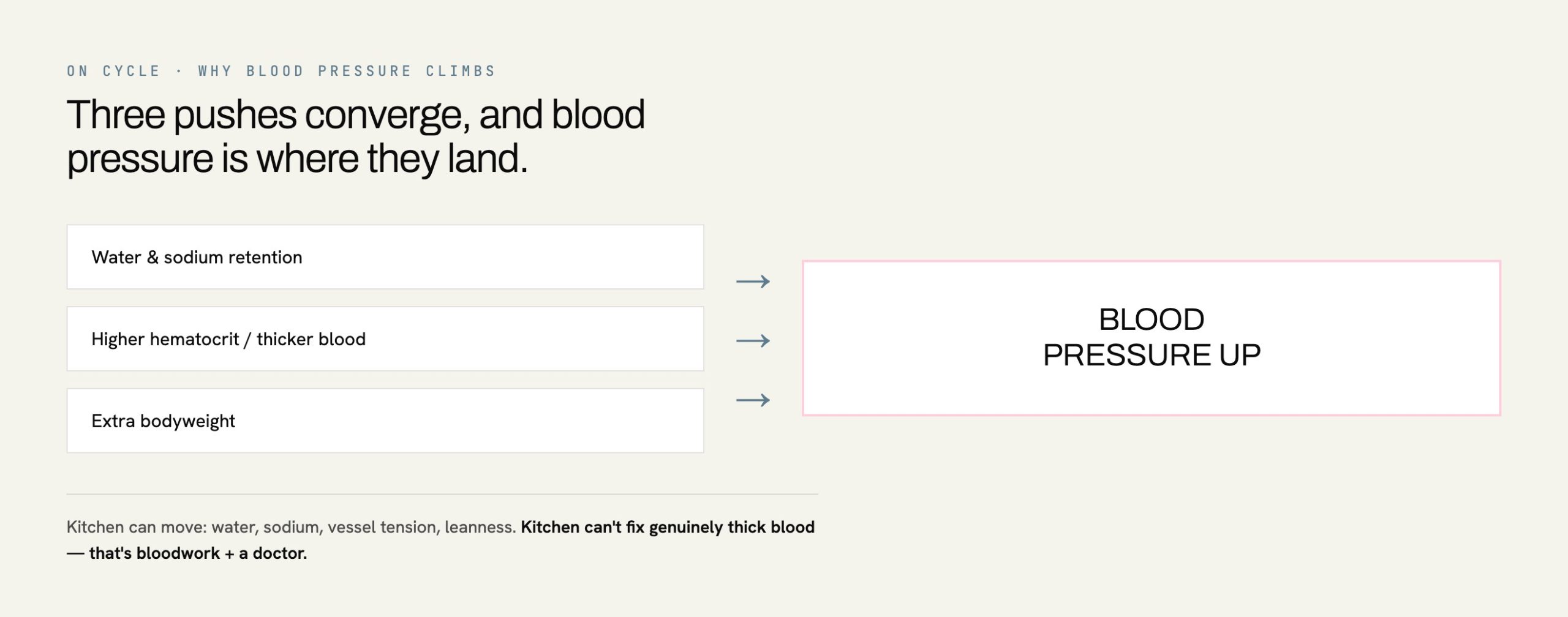
  • 100g-Protein Meal-Prep Containers

    100g-Protein Meal-Prep Containers

    Recipe · Meal Prep / High-protein / Batch

    100g-Protein Meal-Prep Containers (One Cook, Whole Day)

    One steady Sunday cook that hands you a full 100 grams of protein across the day, boxed and ready — chicken, lean beef, rice, roasted veg and a soft-boiled egg, split into containers so a big number stops feeling like a mountain. Around 900 calories across the day’s boxes, the macros already counted. This is the prep I lean on when life gets loud and I still want to eat well.

    GoalPrep
    Total time75 min
    Makes1 full day, 3 boxes
    Protein / day100 g
    Calories / day900 kcal
    Three meal-prep containers lined up — chicken, lean beef, rice, roasted vegetables and a soft-boiled egg, portioned under cold light Prep 01 / Boxed

    The first time someone told me to eat 100 grams of protein in a day, I nearly laughed. Not because it’s hard — it isn’t, once you know the trick — but because of how it’s always sold. As a chore. As a punishment. As one of those things you “have to” do, said by someone who clearly doesn’t want you to enjoy a single bite of it. I was about fifteen years into training by then, prepping for a winter of solid work, and I remember sitting in my cold little Stockholm kitchen thinking: there has to be a kinder way to do this. So I started boxing it instead of dreading it.

    That’s all this prep really is, love. A big number, broken into three calm meals you can actually look forward to. I cook everything in one go on a Sunday — chicken in the oven, lean beef in the pan, a pot of rice, a tray of veg, a couple of eggs gently boiled — and then I split it into containers so that by the time Tuesday lunch rolls around, hitting 100 grams of protein is just lifting a lid. No maths at the desk. No panic at 9pm. The whole day’s protein is already done and waiting for you.

    I make this for myself most weeks, and I’ve made it for people who’d never weighed an ingredient in their life and were sure they couldn’t possibly eat “that much protein.” They could. They did. And they came back the next week asking how to do it again. That’s the bit I love. Not the macros — the look on someone’s face when a scary number turns out to be three nice meals in a box. I’ve got you on this one.

    01Who it’s for & when to eat it

    This is built for the person who knows they should hit their protein but keeps losing the war at lunchtime. Cook once, eat all day, no decisions to make when you’re tired. Here’s how I steer the three boxes depending on what you’re chasing.

    On a cut

    Trim the rice

    Keep the protein boxes exactly as they are and cut the rice down to a half portion across the day. You keep all 100g of protein and a big plate of veg for satiety, and the calories drop toward 720. Volume stays high; that’s the whole point on a cut.

    On a bulk

    Add easy calories

    Same protein, more around it. A bigger scoop of rice in each box, a drizzle of olive oil over the veg, a piece of fruit on the side. You’ll clear 1,300+ calories across the day with the same lean base — clean, not heavy.

    On TRT

    Steady through the day

    Three even meals spread the protein and energy out, which keeps you full and supports recovery without a giant evening overshoot. Lean protein plus a fist of carbs in each box is a calm, dependable way to fuel a normal working day.

    Timing: I split it three ways — a box for late morning, one mid-afternoon, one for the evening — but it’s yours to spread however your day runs. Eat a box around training if that suits you; the protein and carbs sit nicely either side of a session.

    02Ingredients

    Makes one full day — 3 boxes, totalling 100g protein and about 900 calories. Cooking for the whole week? Multiply every line by however many days you’re prepping and keep the proportions the same.

    Per box ~33g protein · adjust on the live recipe card
    • Chicken breast, skinless200 g · 7.1 oz
    • Lean beef mince, 5% fat150 g · 5.3 oz
    • Egg soft-boiled1 large
    • White rice, dry120 g · 4.2 oz
    • Broccoli florets200 g · 7.1 oz
    • Bell peppers, sliced150 g · 5.3 oz
    • Olive oil2 tsp · 10 ml
    • Garlic, grated2 cloves
    • Smoked paprika1 tsp
    • Soy sauce, low-sodium1 tbsp · 15 ml
    • Black pepperto taste
    • Saltto taste (go light)

    Swaps I actually use: turkey mince or extra chicken works in place of the beef if you want the day leaner. No white rice? Swap in jasmine, basmati, or cooked quinoa one-for-one. For more fibre, run the rice half-and-half with brown rice. Vegetarian? Drop the meat and lean on a block of firm tofu and a scoop of Greek yoghurt to keep the protein up — the structure of the prep stays exactly the same.

    03Step by step

    Get organised

    Three containers, one clear bench

    Pull out three meal-prep containers and a clear stretch of bench. Set the oven to 190°C (375°F). This is a one-cook prep, so having everything to hand before you start is half the battle — you’ll be running the oven, a pot and a pan at once.

    Magnus says: prep is calmer when the kitchen is. Clear the decks first.

    Three empty meal-prep containers and ingredients laid out on a clear bench under cold light
    The chicken

    Season and roast the breast

    Pat the chicken breast dry, rub it with half the garlic, the smoked paprika, black pepper and a light pinch of salt. Roast at 190°C for 22–26 minutes until it hits 74°C / 165°F in the centre. Rest it five minutes, then slice or cube.

    Magnus says: a dry surface and a hot oven gives you colour. Colour is flavour.

    Seasoned chicken breast roasting on a tray
    The beef

    Brown the lean mince

    While the chicken roasts, brown the 5% beef mince in a dry hot pan — no oil needed, it has enough of its own. Break it up, let it catch a little colour, then stir in the remaining garlic and the low-sodium soy. Cook until no pink remains.

    Lean beef mince browning in a pan with garlic and soy
    The rice

    Cook the rice, fluff and cool

    Rinse the rice until the water runs clear, then cook it however you normally do — pot, rice cooker, whatever you’ve got. Fluff it with a fork and spread it on a plate to cool a little before boxing. Cooling it spread out keeps it from going gluey.

    Cooked white rice fluffed and spread on a plate to cool
    The veg

    Roast broccoli and peppers

    Toss the broccoli and peppers with the olive oil, a little black pepper and a light pinch of salt, spread them on a tray and roast alongside the chicken for the last 18–20 minutes until the edges char. Roasting beats boiling here — it survives the fridge far better.

    Magnus says: boiled veg turns sad by Tuesday. Roasted veg holds up all week.

    Broccoli and peppers roasting on a tray with charred edges
    The egg

    Soft-boil one egg

    Lower the egg into gently boiling water for 7 minutes for a just-set yolk, then straight into cold water. Peel it once cool. One egg is your little extra hit of protein and a nice change of texture in the box.

    A peeled soft-boiled egg halved to show a just-set yolk
    Portion

    Split it evenly across three boxes

    Divide everything across the three containers — roughly a third of the chicken, beef, rice and veg in each, with the halved egg shared between two of them. Even portions mean even macros, so each box lands near 33g of protein and 300 calories. Cool fully, lids on, into the fridge.

    Magnus says: cool it before the lid goes on. Trapped steam is what turns prep soggy.

    Three finished meal-prep boxes filled with chicken, beef, rice, roasted veg and egg

    04The spec sheet

    Real numbers, calculated — not guessed. The full day makes 3 boxes, about 900g of food total. Here’s what one box (about 300g) and a flat 100g actually give you, plus the day’s headline of 100g protein.

    Macros — per box & per 100g
    NutrientPer boxPer 100g
    Energy300 kcal100 kcal
    Protein33.3 g11.1 g
    Carbohydrate30.0 g10.0 g
    — of which sugars3.2 g1.1 g
    Fat5.6 g1.9 g
    — of which saturates1.5 g0.5 g
    Fibre3.0 g1.0 g
    Sodium~0.34 g~0.11 g
    Calorie density
    100 kcal / 100g

    Low for a complete meal. That’s the magic of a high-protein, veg-heavy box — you get a genuinely full plate for a modest calorie count, which is exactly what you want whether you’re holding or losing.

    Protein per 100 kcal
    11.1 g / 100 kcal

    A lifter’s metric. Strong for a full meal with rice and veg in it — most of the energy you’re eating is doing protein’s job, which is exactly the point of a prep like this.

    Key micros (per box, approx.)
    • Vitamin C~70 mg · 78% DV
    • Selenium~32 µg · 58% DV
    • Vitamin B6~0.7 mg · 41% DV
    • Niacin (B3)~9 mg · 56% DV
    • Zinc~3.4 mg · 31% DV
    • Iron~2.3 mg · 13% DV

    Macros are calculated from standard food-composition data and will shift a little with your exact ingredients and brands. Micronutrient figures are estimates against general adult Daily Values. Numbers are for guidance, not medical advice — see our Nutrition Disclaimer.

    05Bulk / Cut / TRT variations

    One prep, three jobs. The protein base stays the same — you move the rice and the fat around it. Macros below are per box (a third of the day), adjusted for each goal.

    Cut

    The lean default

    Keep every gram of protein and the full tray of veg, but halve the rice across the boxes. Maximum food on the plate, calories pulled down. This is how I run it when I want the scale moving and still want to feel full at my desk.

    240Kcal
    33G Protein
    5G Fat
    Bulk

    Build it up

    Same protein, a bigger scoop of rice in each box and a teaspoon of olive oil over the veg. Add a piece of fruit on the side if you want it. Clean, calorie-dense, and easy to eat across a busy day.

    440Kcal
    34G Protein
    10G Fat
    TRT

    Steady & balanced

    The standard box, spread evenly across the day. Moderate carbs, lean protein, a little healthy fat from the egg and oil. Full, steady energy without a big evening overshoot.

    300Kcal
    33G Protein
    6G Fat

    06Meal prep & storage

    This whole recipe is a prep, so storage is the main event. Cool everything fully before the lids go on, label the boxes if you’re making several days at once, and treat the rice with a little respect — it’s the one component that doesn’t love being left at room temperature.

    Fridge
    4 days

    Boxed and sealed, the chicken, beef and veg hold beautifully for four days. Cook a Sunday batch and you’re sorted through Wednesday or Thursday.

    Freezer
    2 months

    The protein and rice freeze well; freeze the veg too, knowing it softens a little on thaw. Cool fully, freeze flat, thaw overnight in the fridge before reheating.

    Reheat
    3 min

    Microwave the box for 2–3 minutes, stirring once, with a splash of water over the rice to bring it back. Add the egg cold after reheating so it doesn’t go rubbery.

    A note on rice, because I’d be a poor cook not to say it: cool it quickly, keep it cold, eat it within a few days, and only reheat it once until it’s piping hot. Treated kindly, rice is the backbone of cheap, easy prep all week long.

    Free · the 7-day “Get Fed” plan

    Want a whole week built around food like this?

    Drop your email and I’ll send you my free 7-day plan — meals, macros already counted, grocery list written. No spam, no lectures.

    No spam. Unsubscribe whenever. See what’s in the plan →

    07Common questions

    Is 100g of protein a day right for me? +

    It depends on your size, your training and your goals, so I can’t put a number on you from here — that’s a conversation for you and a doctor or dietitian if you want one. What I can tell you is that 100g is a common, sensible target for many active adults, and this prep is just a calm way to reach it if it’s the number you’re working toward. Adjust the portions to fit your own plan.

    Can I make a whole week at once? +

    Yes, with a small caveat. Cooked chicken, beef and rice are best eaten within about four days in the fridge, so for a full seven days I cook half fresh and freeze the rest, thawing two days’ worth at a time. That way nothing sits too long and every box still tastes like food, not leftovers.

    How do I keep the rice from going hard? +

    Two things. Cool it spread out rather than in a lump, and when you reheat, add a splash of water over the rice before it goes in the microwave. The steam loosens it right back up. A lid or a damp paper towel over the box while it heats helps too.

    Can I make this vegetarian and still hit the protein? +

    You can. Swap the chicken and beef for a block of firm tofu, browned hard, plus a generous scoop of Greek yoghurt or a vegetarian protein source you like across the day. You’ll need a touch more volume to reach 100g without meat, but the box structure — protein, rice, veg — stays exactly the same.

    Do I have to eat it cold? +

    Not at all — reheat it. A couple of minutes in the microwave with a splash of water over the rice brings the whole box back to life. I add the soft-boiled egg cold after reheating, since eggs go rubbery if you blast them, but everything else is happiest warm.

    From my 7-day plans

    This prep is the backbone of a full week of meals.

    These boxes are the engine room of my meal plans — seven days of high-protein meals with the macros counted and the grocery list written. You pick the goal; I do the maths and the cooking order.

    See the meal plans
    A week of meal-prep boxes laid out and portioned under cold light

    08Pairs well with

    Browse all recipes →

    Magnus Olafsson in his kitchen — bald, bearded and broad, in his pink apron, under cold light
    About the author

    Magnus Olafsson

    I’m Magnus — twenty years under the iron, from a cold gym in Stockholm to the classic-physique stage, and now mostly in my kitchen in a pink apron. I’ve cut for shows, bulked through winters, and I’ve been on TRT since I was thirty-five. I know what it takes to eat for the body you’re chasing, and I know it shouldn’t come with a side of shame.

    Everything here is food I actually cook and macros I actually count. I don’t diagnose, I don’t promise, and I never make a number up. I just feed you well and tell you the truth.

    B&K Classic Body Show Swedish Grand Prix · Super Series On TRT since 35 20 years training

    Slim Diet Era shares recipes and general nutrition information. It is not medical or dietetic advice, and we do not provide guidance on obtaining or using any controlled substance. See our Medical Disclaimer and Nutrition Disclaimer.

  • Anabolic Banana Bread

    Anabolic Banana Bread

    Recipe · Anabolic / Breakfast / High-protein

    Anabolic Banana Bread

    A proper banana bread loaf, built to feed a lifter — ripe bananas, oat flour, a scoop of protein and a spoon of Greek yoghurt for the crumb. About 20 grams of protein and 290 calories a slice, and it lasts you the whole week. Sturdy, soft, honestly sweet. This is the loaf I keep on the counter, love, and I want you to have it.

    GoalAnabolic
    Total time65 min
    Servings8 slices
    Protein / serving20 g
    Calories / serving290 kcal
    A sliced loaf of high-protein banana bread, golden-topped and soft inside, plated under cold light Plate 01 / Finished

    Every week there are three or four bananas on my counter going past the point where anyone wants to eat them — soft, freckled, a little sad-looking. My partner won’t touch them once they turn. I can’t bear to bin them. So years ago I started turning that little graveyard of fruit into a loaf, and somewhere along the way I taught it to carry real protein. Now those forgotten bananas are the best thing in my kitchen by Wednesday.

    This is not a sad, dry, sawdust loaf. I want to be clear about that, because protein baking has a bad name and it earned most of it. The trick is the yoghurt and the egg whites keeping the crumb tender, the oat flour for body, and only enough protein powder to do the job — not so much it turns to chalk. What comes out is soft, properly banana-sweet, and it slices clean. A slice gives you around 20 grams of protein for 290 calories, which is a genuinely lovely number for something that eats like a treat.

    I bake one loaf on a Sunday and it feeds me all week. A slice with coffee before the gym. A slice in my bag for the drive home. A slice warmed with a smear of peanut butter when I want something kind at the end of a long day. No counting agony, no shame, no wasted fruit. Just a sturdy, honest loaf that’s there when you need it. Make it once and I think you’ll keep those over-ripe bananas on purpose. I’ve got you.

    01Who it’s for & when to eat it

    One loaf, three jobs. The bread itself stays the same; what changes is when you reach for it and what you put alongside. Here’s how I steer it.

    On a cut

    The honest sweet fix

    One slice with your morning coffee or after training, when you want something that tastes like a treat but keeps the calories sensible. High protein, real food, and it scratches the sweet itch so you’re not raiding the cupboard later. No shame in it at all.

    On a bulk

    Easy clean calories

    Two slices with a scoop of Greek yoghurt or a spread of peanut butter on top. Soft, calorie-dense, easy to get down when you’re struggling to eat enough. A painless way to add protein and carbs around training.

    On TRT

    Steady morning fuel

    A slice with a couple of whole eggs makes a balanced, satisfying breakfast — protein, slow carbs from the oats, and just enough sweetness to look forward to. Gentle on the stomach and it keeps you full to lunch.

    Timing: this shines as a breakfast or a post-training slice — the bananas and oats give you carbs to refill on, and the protein does its quiet work. It also packs beautifully, which is the whole point of baking a loaf instead of a single serving.

    02Ingredients

    Makes 8 slices — one standard loaf, cut even. Want more? This doubles cleanly into two tins; keep the banana-to-flour ratio the same so the crumb stays soft.

    Servings 8 · adjust on the live recipe card
    • Ripe bananas the freckled ones3 medium · 330 g
    • Oat flour or blitzed oats160 g · 1⅓ cups
    • Protein powder vanilla or unflavoured60 g · 2 scoops
    • Eggs2 large
    • Egg whites2 · 66 g
    • Greek yoghurt 0% or 2%120 g · ½ cup
    • Baking powder2 tsp · 8 g
    • Cinnamon1 tsp
    • Saltpinch
    • Dark choc chips or walnuts optional40 g · ¼ cup

    Swaps I actually use: no oat flour? Blitz rolled oats in a blender until fine — same thing, cheaper. Whey makes a lighter crumb; a casein or blend bakes denser and a touch moister, so add a splash of milk if your batter looks tight. No protein powder at all? See the variations and the questions below — you can still make a lovely loaf. And if the bananas aren’t quite ripe enough, roast them in their skins for ten minutes to coax the sweetness out.

    03Step by step

    Mash

    Mash the bananas properly

    Peel the bananas into a big bowl and mash them with a fork until almost smooth — a few small lumps are fine, they keep the loaf interesting. The riper they are, the easier this is and the sweeter your bread will be.

    Magnus says: the browner the banana, the better the loaf. Don’t fear the freckles, love.

    Very ripe freckled bananas being mashed with a fork in a large mixing bowl
    Wet mix

    Beat in the eggs and yoghurt

    Crack in the whole eggs, add the egg whites and the Greek yoghurt, and whisk it all into the mashed banana until smooth. This is the part that keeps the crumb soft, so take a moment and get it properly combined.

    Eggs, egg whites and Greek yoghurt whisked into mashed banana until smooth
    Dry mix

    Stir the dry ingredients separately

    In a second bowl, stir together the oat flour, protein powder, baking powder, cinnamon and the pinch of salt. Mixing the dry bits first stops the protein powder clumping when it hits the wet — a small step that saves you lumps.

    Oat flour, protein powder, baking powder and cinnamon stirred together in a bowl
    Fold

    Bring the two together — gently

    Tip the dry into the wet and fold just until you no longer see flour. If you’re adding choc chips or walnuts, fold them through now. The batter should be thick and spoonable; if it’s stiff, loosen it with a splash of milk.

    Magnus says: do not overmix. The second the flour disappears, you stop. Beating it gives you a tough, rubbery loaf.

    Dry ingredients being folded gently into the wet banana batter with a spatula
    Pour

    Into a lined tin

    Line a standard loaf tin (about 9×5 inch / 23×13 cm) with baking paper and scrape the batter in, levelling the top. A few extra banana slices or a scatter of chips on top is nice if you’ve got them.

    Thick banana batter scraped into a paper-lined loaf tin and levelled
    Bake & cool

    175°C for 45–55 minutes, then wait

    Bake at 175°C (350°F) for 45 to 55 minutes, until the top is golden and a skewer comes out clean or with a few moist crumbs. Then — and this is the hard part — let it cool fully in the tin before you slice it.

    Magnus says: cool it completely before slicing. Cut it warm and protein loaves crumble. Patience gives you clean, sturdy slices.

    Baked golden banana bread loaf cooling in the tin before slicing

    04The spec sheet

    Real numbers, calculated — not guessed. The loaf makes 8 slices of roughly 90 grams each. Here’s what one slice and a flat 100 grams actually give you. Your exact figures will shift a little with your protein brand and how big your bananas are.

    Macros — per slice & per 100g
    NutrientPer slicePer 100g
    Energy290 kcal322 kcal
    Protein20.0 g22.2 g
    Carbohydrate30.0 g33.3 g
    — of which sugars12.0 g13.3 g
    Fat7.0 g7.8 g
    — of which saturates2.2 g2.4 g
    Fibre4.0 g4.4 g
    Sodium~0.28 g~0.31 g
    Calorie density
    322 kcal / 100g

    Moderate for a baked good — far gentler than shop banana bread, which often lands well north of 400. The yoghurt and egg whites are doing the heavy lifting here.

    Protein per 100 kcal
    6.9 g / 100 kcal

    Strong for something sweet. A normal banana bread gives you almost none; this one carries real protein in every slice, which is the whole reason it earns a place in your week.

    Key micros (per slice, approx.)
    • Potassium~310 mg · 7% DV
    • Magnesium~42 mg · 10% DV
    • Vitamin B6~0.3 mg · 18% DV
    • Phosphorus~180 mg · 26% DV
    • Manganese~0.9 mg · 39% DV
    • Calcium~70 mg · 5% DV

    Macros are calculated from standard food-composition data and will shift a little with your exact ingredients and brands. Micronutrient figures are estimates against general adult Daily Values. Numbers are for guidance, not medical advice — see our Nutrition Disclaimer.

    05Bulk / Cut / TRT variations

    One loaf, three ways to lean it. The bread is the same; you adjust the slice and what sits on top. Macros below are per slice, with the additions counted in.

    Cut

    The lean slice

    Make it with 0% yoghurt and skip the choc chips, then have one plain slice with your coffee. Maximum protein per calorie, real sweetness from the banana alone. This is the version I keep around when I’m tightening up before a shoot.

    260Kcal
    20G Protein
    5G Fat
    Bulk

    Build it up

    Keep the choc chips or walnuts in, then top a slice with a heaped tablespoon of peanut butter and a spoon of Greek yoghurt. Soft, calorie-dense and easy to eat when your appetite’s lagging in a bulk.

    470Kcal
    27G Protein
    20G Fat
    TRT

    Steady & balanced

    One slice alongside two whole eggs for a full, balanced breakfast — protein, slow carbs and a little healthy fat. Satisfying, gentle on digestion, and nothing overshot for the day ahead.

    440Kcal
    33G Protein
    17G Fat

    06Meal prep & storage

    This loaf was built to be made ahead. I bake it Sunday, cool it fully, slice the whole thing, and I’m set for the week — a real meal-prep bake, not a one-off. Here’s how to keep it good.

    Fridge
    5 days

    Store the cooled, sliced loaf in an airtight container in the fridge. It keeps soft and the flavour actually deepens by day two.

    Freezer
    3 months

    Freeze individual slices with baking paper between them so they don’t fuse. Pull one out the night before, or warm it straight from frozen.

    Reheat or cold
    20 sec

    Eat it cold from the fridge — it’s lovely that way — or warm a slice for 20 seconds in the microwave so it goes soft and the banana smell comes back.

    For prep, I wrap two slices for the gym bag and leave the rest cut in the container. Because the macros are already counted, it slots into any day without fuss — which is exactly what you want from a bake that has to last you a whole week.

    Free · the 7-day “Get Fed” plan

    Want a whole week built around food like this?

    Drop your email and I’ll send you my free 7-day plan — meals, macros already counted, grocery list written. No spam, no lectures.

    No spam. Unsubscribe whenever. See what’s in the plan →

    07Common questions

    My loaf came out dry — what went wrong? +

    Almost always too much protein powder or too long in the oven. Protein powder soaks up moisture as it bakes, so the more you add the drier it gets — stick to the two scoops here. Pull the loaf the moment a skewer shows a few moist crumbs, not bone-dry, and don’t skip the yoghurt. A splash of milk in a tight batter helps too.

    Can I make it without protein powder? +

    You can, love. Swap the 60g of powder for another 60g of oat flour and keep the eggs, whites and yoghurt — they still bring real protein. You’ll land lower, around 13–14g per slice, but it’s a lovely soft banana bread and a fine breakfast. The powder is what pushes it up to 20g; everything else stands without it.

    What can I use instead of oat flour? +

    The cheapest swap is rolled oats blitzed fine in a blender — that is oat flour. Wholemeal or plain flour works too and gives a slightly lighter crumb. If you need it gluten-free, a 1:1 GF baking blend behaves well here. Whatever you use, keep the weight the same so the batter stays the right thickness.

    How ripe do the bananas need to be? +

    Properly ripe — soft, heavily freckled, almost too far gone to eat raw. That’s where the natural sweetness and the easy mash come from, so this is the recipe to save your sad counter bananas for. If yours are still firm and yellow, roast them in their skins at 175°C for about 10 minutes until the skins blacken, then let them cool and mash.

    Can I freeze the baked loaf? +

    Yes, and it freezes beautifully. Cool it fully, slice it, and freeze the slices with baking paper between them so they pull apart easily. They keep about three months. Thaw a slice overnight in the fridge, or warm it straight from frozen in the microwave for 30–40 seconds. Freezing in slices means you only ever defrost what you’ll eat.

    From my high-protein meal plans

    This loaf lives inside a full week of meals.

    A slice of this banana bread is one breakfast in my high-protein meal plans — seven days of food with the macros counted and the grocery list written. You pick the goal; I do the maths and feed you well.

    See the meal plans
    Sliced high-protein banana bread plated under cold light

    08Pairs well with

    Browse all recipes →

    Magnus Olafsson in his kitchen — bald, bearded and broad, in his pink apron, under cold light
    About the author

    Magnus Olafsson

    I’m Magnus — twenty years under the iron, from a cold gym in Stockholm to the classic-physique stage, and now mostly in my kitchen in a pink apron. I’ve cut for shows, bulked through winters, and I’ve been on TRT since I was thirty-five. I know what it takes to eat for the body you’re chasing, and I know it shouldn’t come with a side of shame.

    Everything here is food I actually cook and macros I actually count. I don’t diagnose, I don’t promise, and I never make a number up. I just feed you well and tell you the truth.

    B&K Classic Body Show Swedish Grand Prix · Super Series On TRT since 35 20 years training

    Slim Diet Era shares recipes and general nutrition information. It is not medical or dietetic advice, and we do not provide guidance on obtaining or using any controlled substance. See our Medical Disclaimer and Nutrition Disclaimer.